Japan for Solo Travelers: Tokyo, Mt. Fuji & Kyoto
9 days | 12 days with Kobe extension |

Black Friday priority access: Save up to $800 by 10/15
Top deals will sell out, so lock in your spot now for just $99 down with AutoPay.†
Sampling the best of Japan? It’s better solo, not alone.
Japan stuns with its natural beauty, rich history, and distinctive cuisine—and one week is all it takes to stoke your passion for this inimitable nation. Go from bustling Tokyo to majestic Mount Fuji to mystical Kyoto, diving into the local culture via cooking classes, sake tastings, and more. If you want to keep being dazzled by the Land of the Rising Sun (and who wouldn’t?), tack on the extension to Kobe to admire another corner of the country.
Your tour package includes
- 7 nights in a private room at handpicked hotels
- 7 breakfasts
- 1 lunch
- 3 dinners with beer, wine, or sake
- 2 food tastings
- 1 cooking class
- 6 sightseeing tours
- Expert Tour Director & local guides
- Private deluxe motor coach
- 1 train ride
Included highlights
- Sushi tasting at Tokyo’s Tsukiji fish market
- Japanese cooking class & dinner
- Kappabashi Street kitchenware market in Tokyo
- Tokyo’s dynamic Shibuya and Harajuku areas
- Iyashi no Sato open-air museum and craft workshop
- Mount Fuji’s Narusawa Wind Cave & traditional villages
- Ride on Japan’s famous Shinkansen bullet train
- Kyoto’s bamboo forest & Golden Pavilion
Itinerary

Overnight Flight1 night
Day 1: Travel day
Board your overnight flight to Tokyo today.
Tokyo3 nights
Day 2: Arrival in Tokyo
Welcome to Japan! Transfer to your hotel and settle in. Then, meet your Tour Director and groupmates at a welcome mixer before calling it a night.
Day 3: Sightseeing tour of Tokyo, cooking class & welcome dinner
Included meals: Breakfast, Tasting, Welcome dinner
Join a local guide and embark on an immersive tour of Tokyo, Japan’s bustling capital. Ancient shrines and temples, peaceful parks, and modern skyscrapers make up the tapestry of the city, which is home to nearly 14 million people.
- Walk through Tsukiji Outer Market, whose historic lanes and alleys are chock-full of sushi shops, ramen stalls, tea vendors, and more.
- Learn about Japan’s seafood heritage and visit a vendor’s stall to sample fresh sushi. (There will also be a vegetarian option available.)
- View Tokyo’s Shibuya Crossing—the world’s largest pedestrian intersection, where as many as 3,000 people hustle across at a time—as you drive through the center of the city.
- Set off on a short walk from the lawns and ponds of Yoyogi Park to Meiji Shrine. The latter is dedicated to Japan’s Emperor Meiji, under whose reign Japan became a major power in the modern world.
- Stroll through the lively Harajuku neighborhood, which is known for its colorful street art and youthful fashion trends.
For tonight’s dinner, you’ll team up with an experienced chef to learn how to prepare traditional Japanese cuisine. Grab your apron and watch as they whip up a bento box of makizushi (sushi rolls), chicken teriyaki, and other staples. Then, try making some yourself before sitting down to feast on your creation, served with beer, wine, or sake.
Day 4: Sightseeing tour of Tokyo
Included meal: Breakfast
Today, head back out into Tokyo with your Tour Director to explore two prominent neighborhoods: Ueno, a district packed with museums, shops, and restaurants, and Asakusa, which is known for its Old Tokyo atmosphere.
- Walk to Ameya Yochoko (or Ameyoko for short), a busy market street, and enjoy free time to visit its shops and open-air stalls.
- Make your way by coach to the Asakusa district and enter Senso-ji, Tokyo’s oldest Buddhist temple. (With its five-story pagoda and red-and-white facade, it’s one of the country’s most photographed, too.)
If you'd like to end your evening with an extra serving of Japanese culture, add our optional excursion for a front-row seat to a sumo wrestling demonstration. Prefer to make your free afternoon your own? Tokyo's neighborhoods reward the curious wanderer—duck into a local shotengai (shopping street), browse a multi-floor department store, or follow your nose to a steaming bowl of ramen in whichever corner of the city calls to you.
Mount Fuji Region1 night
Day 5: Sightseeing tour of the Mount Fuji region
Included meals: Breakfast, Dinner
Begin your day by bidding farewell to Tokyo, then board your bus and drive to the western shores of scenic Lake Saiko. After the obligatory Mount Fuji photo-op, step off your bus—and back through time—into the open-air museum of Iyashi-no-Sato.
- Explore the shops and restaurants of this reconstructed farming village, a collection of more than 20 thatched-roof homes built in the traditional style.
- Participate in an interactive craft workshop (and maybe pick up a memento or two before returning to your bus).
A short drive later, you’ll find yourself in Aokigahara, a lush forest nicknamed the Sea of Trees. There, you’ll plunge into the depths of the Fugaku Wind Cave. Created by one of Mount Fuji’s previous eruptions, this chilly lava tube was once used to naturally refrigerate and preserve silkworm cocoons for weaving.
Emerge from the Fugaku Wind Cave and embark on a short hike through Aokigahara before climbing back aboard your bus and heading to your hotel. This evening, join your group for an included dinner, served with beer, wine, or sake.
Please note: Travelers will need to pack a small overnight bag for the duration of your stay in the Mount Fuji region as larger, checked luggage will be shipped ahead to Kyoto due to limited space on trains.
Kyoto3 nights
Day 6: Transfer to Hakone & bullet train to Kyoto
Included meals: Breakfast, Tasting, Lunch
Hit the road for Hakone, an onsen-dotted spa town in the shadow of Mount Fuji, and stop for a three-part visit.
- Glide above Hakone's dramatic landscape on the scenic Ropeway, where gondolas carry you over steaming volcanic valleys and lush forests.
- Take in panoramic views from your gondola of Lake Ashi's shimmering waters below and, on clear days, the majestic silhouette of Mount Fuji rising in the distance.
- Head to the volcanic Owakudani valley to try a local specialty: kuro tamago, or black egg. Thanks to the sulfur-rich waters of the springs they’re boiled in, the shells of these eggs turn a distinct matte black. (Another fun fact: Legend holds that eating one will extend your life by seven years!)
- Sit down at a restaurant for an included lunch.
Afterward, transfer to Odawara Station and board a bullet train to Kyoto. Once you arrive, you’ll transfer by bus to your hotel and have the evening to yourself.
Day 7: Sightseeing tour of Kyoto
Included meal: Breakfast
Today, join a local guide on a sightseeing tour of Kyoto, the city that served as Japan’s capital for more than 1,000 years and is still considered its spiritual center.
- Begin in the western Arashiyama district, a nationally designated Place of Scenic Beauty, and wander through its eponymous Bamboo Grove. A thicket of moso bamboo, towering up to 66 feet above the ground, funnels visitors down a pathway, making for a breathtaking walk.
- Step inside the UNESCO-listed Tenryu-ji, a treasured 14th-century temple complex that’s considered to be the most important of Kyoto’s five Zen Buddhist shrines.
- Cross the Togetsukyo Bridge. While the current span was completed in 1934, it has existed in one form or another since the ninth century, helping travelers from one bank of the Katsura River to the other.
- Take in the splendor of Kinkaku-ji, the UNESCO-recognized Temple of the Golden Pavilion that’s so often associated with the city of Kyoto.
To spend some quiet time in one of Japan’s most sacred sites—and to delight in the decorum of an ancient custom—add today’s optional excursion to experience the reverence of the Fushimi Inari Shrine, followed by a traditional tea ceremony.
Or, make the most of your free afternoon and roam around Kyoto at your leisure. For pictures plucked from the past, head to the historic Ninenzaka and Sannenzaka districts. Lined by traditional wood-paneled buildings and free of vehicular traffic, these pedestrian paths draw visitors for a reason.
Day 8: Free day in Kyoto
Included meals: Breakfast, Farewell dinner
Buddhist shrines, bowing deer, and blissful peace of mind can all be found in the city of Nara—encounter them yourself by adding today’s excursion to your itinerary. Alternatively, spend your free afternoon on the quiet streets of Kamishichiken, which is Kyoto’s oldest hanamachi, or geisha district.
Tonight, join your fellow travelers for a farewell dinner at a local restaurant, accompanied with beer, wine, or sake. Give your heartiest kanpai, or cheers, and enjoy one final evening in each other’s company.
Flight Home
Day 9: Free morning & departure
Included meal: Breakfast
Enjoy a final free morning in Kyoto before transferring to the airport for your flight home, or follow your nose and extend your tour to visit the culinary mecca that is Kobe.
Kobe extension
Kobe may be nestled at the edge of Osaka Bay, but it’s best known for its mouthwatering marbled beef. However, with its scenic harbor, esteemed sake breweries, and fascinating geopolitical history, this cosmopolitan city is a can’t-miss for more than just discerning carnivores. Join your fellow solo travelers on an exploration of Kobe and its surroundings that will give you a taste—literally and figuratively—of all it has to offer.
Kobe3 nights
Day 9: Transfer to Kobe & sightseeing tour
Included meals: Breakfast, Wine tasting
Today, drive from Kyoto to Kobe—a storied port city with an international past—and meet up with a local guide for a sightseeing tour.
- Drive along the waterfront and view the bright-red Kobe Port Tower. Designed to resemble a type of Japanese hand drum called a tsuzumi, this observation deck soars over 300 feet above the city’s harbor.
- Hear about the Kobe foreign settlement, a residential district where Western traders lived following the forced economic opening of Japan in the late-1800s.
- Visit a sake museum, housed in an old brewery, where you’ll learn all about this legendary rice-based drink. (Don’t worry: You won’t leave without a tasting!)
- Hear about Kobe’s Nada ward. Thanks to high-quality rice, mineral-rich waters, and favorable weather, it’s one of Japan’s top sake-brewing regions, accounting for about a quarter of the country’s production.
If the thought of buttery Kobe beef has had your mouth watering since arriving in town, you’ll want to add this evening’s optional dinner to your itinerary. Otherwise, go for a walk and get to know more of the city. Meriken Park boasts fountains, art installations, museums, and more—including a damaged section, unrepaired for decades, that reminds visitors of the Great Hanshin Earthquake of 1995.
Day 10: Train to Hiroshima & sightseeing tour
Included meal: Breakfast
Board a high-speed bullet train to Hiroshima and get to know the City of Peace on today’s guided sightseeing tour.
- Visit Peace Memorial Park to see the Atomic Bomb Dome, which was built in 1915 as an exhibition space and, just 30 years later, was the only structure to withstand the U.S.’s infamous atomic bombing of the city during World War II.
- Enter the Peace Memorial Museum, which displays belongings left behind by bombing victims, as well as photos and other materials that convey the horror of the event.
- Take a short ferry ride to Miyajima Island to view the 12th-century, UNESCO-listed Itsukushima Shrine, a Shinto shrine known for its “floating” orange torii gate.
After seeing Hiroshima’s highlights, hop back onto a bullet train and return to Kobe, where you’ll have a free evening in the city.
Day 11: Free day in Kobe
Included meal: Breakfast
Existing in some form since 1333, Himeji Castle survived the march of time and the bombs of World War II. To tour this UNESCO World Heritage Site and the region it calls home, add today’s optional outing to your itinerary. Or, hang back in Kobe and roam through Kitano-cho, a historic district that once hosted foreign merchants and diplomats.
This evening, raise a farewell drink and celebrate your trip with your groupmates.
Flight Home
Day 12: Transfer to Osaka & departure
Included meal: Breakfast
Transfer to the Osaka airport and board your flight home.

Reviews
Hotels
We handpick every hotel to strike the balance of comfort, location, and local charm. Specific accommodations will vary based on your departure date, but these are frequently used hotels for this tour and we're confident you'll be satisfied.
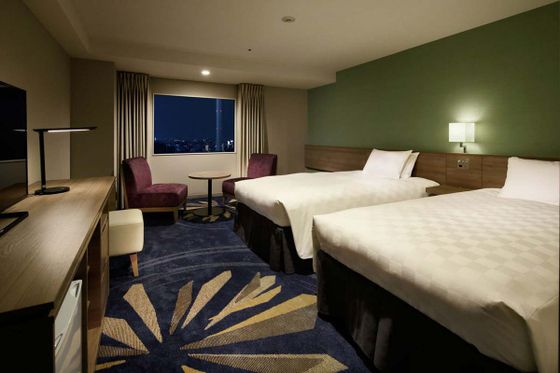
Tokyo - Sunshine City Prince Hotel
This modern hotel is located in Ikebukuro. Guests enjoy a fitness studio, four on-site restaurants, and direct connection to Sunshine City shopping mall. Nearby, you'll find Pokémon Center Mega Tokyo, Animate Ikebukuro, and...
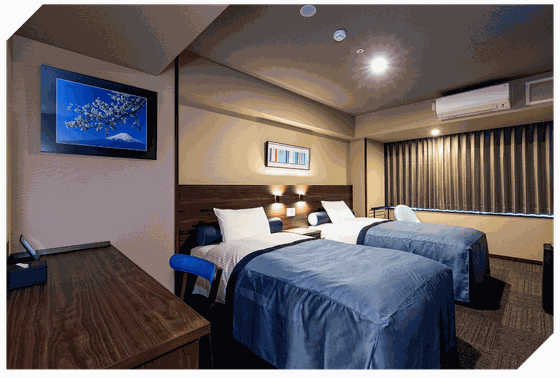
Mount Fuji Region - Tenseien Odawara Station Hotel
This traditional hotel is located in Odawara. Guests enjoy an indoor mineral hot spring (onsen) with natural Hakone water, a sauna, and an on-site restaurant serving exquisite cuisine. Nearby, you'll find Odawara Castle, Hakone...
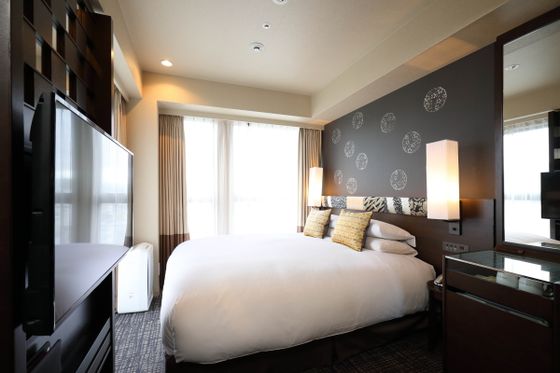
Kyoto - Hotel Grand Bach Kyoto Select
This sophisticated hotel is located in Shimogyo district. Guests enjoy a fitness center, a relaxing spa with wellness treatments, and an on-site restaurant with bar. Nearby, you'll find Nishiki Market, Gion district, and Yasaka...
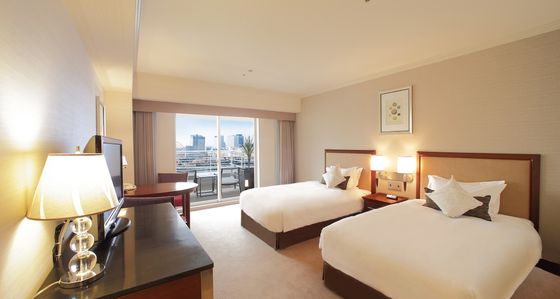
Kobe - Meriken Park Oriental Hotel
This waterfront hotel is located in Meriken Park. Guests enjoy a fitness center with indoor and outdoor swimming pools, five on-site restaurants, and a beauty salon with spa services. Nearby, you'll find Kobe Maritime Museum...
Flights
Make your journey to and from your tour as smooth as possible by letting our travel experts handle your round-trip flights. We’ll select the best itinerary for you at a great rate, thanks to our airline partnerships.
Your Go Ahead flight package includes:
- A round-trip flight for your tour from your preferred home airport
- An EF representative waiting for you on arrival to whisk you to your hotel
- Your lowest price locked in, so you don’t have to track airfare
- 24/7 on-tour support from our dedicated flights team
- Complimentary luggage retrieval services through Blue Ribbon Bags
- Dedicated flight experts to help arrange early arrivals, longer stays, or upgrades, so every detail fits your travel style
- Stress-free rebooking if your tour itinerary changes
Find out more about flights
FAQ
- In order to enter Japan, U.S. and Canadian citizens need a valid passport with an expiration date extending at least six months beyond the date of return.
- We recommend having at least two blank passport pages for entry stamps.
- There is no visa required for U.S. or Canadian citizens to enter Japan.
- It is recommended to register your passport, flight, and other travel information at least 72 hours prior to departure through Visit Japan Web to speed up the immigration and customs process upon arrival. Once you’ve completed your information, you will receive a QR code to present upon arrival.
- If you are not a U.S. or Canadian citizen, you must contact Japan’s consulate for your specific entry requirements.
- You can see the most up-to-date entry requirements for the destination(s) you’ll visit on tour by going to goaheadtours.com/entry-requirements and searching the code JP6.
- Round-trip flights booked through Go Ahead Tours arrive in Tokyo and depart from Osaka.
- Transfers to and from the airport at the beginning and end of the tour are included for travelers who purchased their flights through Go Ahead Tours. Travelers who booked their own flights are responsible for securing their own airport transfers.
- When you arrive in Tokyo, a Go Ahead representative will be waiting for you in the arrivals hall with a Go Ahead sign or a sign with your name(s). If you don’t see a representative immediately, please be patient and stay in the arrivals area. They may be assisting another traveler who has also just arrived and will be back shortly.
Physical Activity Level
This is a very high physical activity-level tour. You can expect to be on the move on a regular basis throughout the course of the tour.
Tour Pacing
This is a brisk-paced tour. The pace of a tour itinerary considers how often you’ll switch hotels, the amount of planned daily activities, and how you’ll get from place to place. You can expect:
- One 1-night stay
- 3 full days of included activities in a row (more if you add excursions)
- Most transportation by motor coach, some by train
- About 3 hours of bus time daily
Walking, Terrain & Physical Requirements
- Travelers should be prepared to walk 3-5 miles per day—this includes city streets, cobblestones, stairs, and hills.
- Stone walkways may be slippery even when dry.
- Narusawa Ice Cave requires to walk over unever terrain with low overhangs and many stairs.
- Travelers should be healthy enough to participate in all included walks without assistance.
- Please Note: Adding optional excursions may increase the total amount of walking on your tour.
Climate Considerations
- Temperatures range from 40sF in winter to low-80sF in summer, with occasional heatwaves in the summer months (June-September).
- Summer is the rainy season in Japan and travelers should expect hot, humid days.
Physical Activity & Tour Pace Questions
- Go Ahead Tours and the Tour Director who accompanies your group are unable to provide special mobility or luggage handling assistance to travelers on tour. The responsibility of the Tour Director is to ensure the group enjoys a smooth and informative journey, and they can’t be relied on to provide individualized assistance to any one traveler.
- This tour moves at a reasonable pace to avoid missing scheduled stops. The rest of the group cannot miss any scheduled activities because of the needs of an individual.
- Due to the pace and physical activity level of this tour, mobility aids such as wheelchairs or walkers will be difficult to use and are not recommended. Please notify Go Ahead Tours before your departure if you plan to bring these on tour with you.
- If you have mobility concerns or tour pacing questions, please visit our Help Center or send a message to our Customer Experience Team.
- This tour includes various modes of transportation, including trains and private motor coach. Some modes of transportation will have raised platforms or steps and often not provide access to ramps or lifts.
- A high-speed train transfer from Odawara to Kyoto is included in the price of your tour. (The tour extension also includes a round-trip, high-speed train ride between Kobe and Hiroshima.)
- All other included transportation on this tour is by private motor coach.
- Japanese train stations typically operate similarly to airports: Security measures, such as baggage and body scanners, are common. Additionally, platforms are often spread across large distances and require travelers to carry their luggage up and down escalators or stairs. Porterage services aren’t offered and storage space is extremely limited. Please keep in mind that trains may only stop at each station for a few minutes; quick boarding and deboarding may be imperative.
- Please note that our travelers are limited to one checked bag and one carry-on bag per person due to storage limitations on motor coaches and trains.
- Some airlines may impose additional charges if you choose to check baggage or exceed baggage size and weight restrictions. Be advised that you are responsible for any baggage fees incurred on all flights.
- Contact your airline(s) for baggage size and weight restrictions for your flights.
- Make sure you label your baggage and keep valuables, medication, and documents in your carry-on bag.
- Travelers must be able to manage their luggage throughout tour; porters aren’t guaranteed at hotels, airports, and boarding trains.
- Luggage storage on trains is extremely limited, and only hand luggage is allowed. Larger luggage will be shipped to each hotel and typically arrives the following day so an overnight bag is recommended.
- We recommend packing lightweight, loose-fitting clothing that can be easily layered to accommodate varying temperatures, as well as a light jacket or rainwear.
- A sturdy pair of walking shoes or sneakers is recommended for sightseeing.
- You may want to pack dressier attire if you plan to visit a high-end restaurant or attend a special performance.
- It’s preferable not to visit churches or other religious sites with bare legs or shoulders. Entrance may be denied on this basis.
- We recommend packing a universal adapter, as well as a voltage converter if you plan on using a hairdryer or other device without a built-in converter.
- In case of emergencies, we also recommend packing your medical insurance card in your carry-on.
- Go Ahead handpicks every hotel you’ll stay at, striking a balance between comfort, location, and local charm.
- Specific properties will vary based on your departure date, but are typically three-to-four-star hotels; always include private bathrooms; and usually have in-room safes for valuables. Additionally, your hotels will have Wi-Fi, but access may be limited to common areas. There may also not be elevators.
- Unfortunately, we can’t guarantee that your accommodations will have laundry services or facilities. We recommend checking directly with your hotels once they’ve been confirmed, about 30 days prior to departure.
- Some hotels on this tour are situated on narrow streets; as such, our buses can’t drop you off right out front. In these instances, you’ll have to walk your luggage to the property, no more than a few blocks.
- Please be advised that the air conditioning in Asian hotels and buildings is often not as strong or cool as what you might be used to in the U.S. or Canada.
- Japan operates on 100 volts and uses a Type A plug, the same as in the U.S.
- Specific accommodations will vary based on your departure date.
- Guests will fully undress and leave their belongings in the locker room before entering the bathing area, as complete nudity is the traditional and expected practice at Japanese onsens. While some establishments are beginning to offer alternatives for modest visitors (such as designated swimsuit times or private bath rentals), these accommodations remain relatively uncommon.
- Before entering the shared baths, guests must thoroughly wash and rinse themselves at the washing stations. Be mindful of your surroundings to avoid spraying others while washing.
- A small white bathing towel is often provided or available for rent. This versatile towel serves as a modest cover-up when walking between areas, for washing your body, and for drying afterward. While bathing, most guests fold the towel and keep it nearby or place it folded on top of their heads. The bathing towel must never touch the bath water. Shampoo and soap are typically provided, though many guests prefer bringing their own.
- Hair should be worn up and secured to prevent it from touching either your towel or the water.
- Onsens are intended to be relaxing and tranquil environments. Speak quietly and be respectful of others. Swimming, diving, and running are prohibited. You may soak, exit, and reenter the baths at your leisure, though it's recommended not to spend more than 30 minutes in the hot water at one time.
- Dry off completely before returning to the locker room to change back into your clothes.
- Check an onsen's tattoo policy before visiting. While many establishments are becoming more accepting of tattoos—offering cover-up patches or private baths for tattooed guests—many still maintain traditional prohibitions. Although most Japanese people don't personally object to tattoos, many businesses maintain conservative policies regarding visible tattoos.
- Excursions are available for purchase prior to departure, and most excursions will be available for purchase while you are on tour directly through your mobile app for an additional $10 USD.
- We recommend purchasing excursions at least 3 days prior to your tour departure. Please note some excursions have advance booking deadlines. Check your tour itinerary for more information to ensure you don’t miss the deadline to add them.
- Optional excursions may be canceled on tour due to reasons like low enrollment, weather or unexpected closures. If an excursion you signed up for is canceled by Go Ahead Tours, you will be refunded the full cost of the excursion. Please note it may take up to 60 days for your refund to be processed.
- Your Tour Director may offer their own optional excursions which can only be purchased on tour via cash (in local currency).
- At least 60 days prior to departure, check with your doctor or healthcare provider for the latest updates and entry requirements, or visit the Center for Disease Control and Prevention website at cdc.gov.
- If you have medication that you take daily, be sure you have enough for each day of the tour as well as any possible delays encountered.
- If you have dietary restrictions and/or food allergies please notify Go Ahead Tours at least 30 days prior to departure by logging in to your account and updating your traveler info. To update this information closer to your departure date, please call our Customer Experience Team.
- Most of our itineraries include headsets used during certain sightseeing tours so travelers can hear their guides or Tour Director. If you use an assisted listening device, such as a hearing aid or cochlear implant, please visit our Help Center for more information or contact our customer experience team. Please note that at this time not all our destinations offer headsets due to supplier limitations.
- You can see the most up-to-date entry requirements for the destination(s) you’ll visit on tour by going to goaheadtours.com/entry-requirements and searching the code JP6.
- This tour includes 4 dinners: They may be set menus, buffets, or family-style meals, depending on the location. Dinners also include one glass of beer, wine (when available), sake, or a soft drink, as well as water.
- Breakfast each morning is also included at the hotel and is typically buffet style with hot and cold options.
- Most Japanese meals are based around rice or noodles with fish, meat, and vegetables flavored with soy sauce and miso. You may recognize popular dishes like sushi, tempura, and hot pot.
- Travelers should expect meals to be delicately balanced in flavor—often lighter, less salty, and less sweet than Western dishes. Presentation is important, with food often served in small, beautifully arranged portions. Many dishes highlight seasonal ingredients and emphasize freshness and umami (a savory taste unique to Japanese cuisine). Raw fish (like sashimi and sushi) is common, and some textures—such as slimy (e.g., natto or grated yam) or chewy (e.g., mochi or squid)—may be unfamiliar. Meals are typically served with multiple small side dishes rather than one large main course, and it's customary to eat with chopsticks. Western-style substitutions may be limited outside major cities, so adventurous eaters will get the most out of the experience.
- Breakfast often includes rice, miso soup, grilled fish, and pickled vegetables. Lunch might be a bento box with rice, meat or fish, vegetables, and sometimes fruit. Dinner usually consists of rice, miso soup, a main dish (like fish or meat), and several side dishes (vegetables, pickles).
- For more traditional dishes, you'll want to try Sushi (vinegared rice with raw fish, vegetables, and seaweed), tempura (battered and deep-fried seafood or vegetables), sashimi (thinly sliced raw fish or seafood), ramen (noodle soup with meat, vegetables, and various toppings), and yakitori (skewered and grilled chicken).
- Be sure to try some Japanese specialties like the Kaiseki (a multi-course meal showcasing seasonal ingredients and culinary techniques), okonomiyaki (savory pancake with various ingredients like cabbage, meat, and seafood), takoyaki (ball-shaped snacks filled with octopus), natto (fermented soybeans often eaten with rice), and matcha (powdered green tea used in tea ceremonies and desserts).
- At the conclusion of your tour, it is customary to offer your Tour Director and driver a gratuity in local currency. Please keep current exchange rates in mind.
- We recommend tipping the equivalent of $10-$12USD per person per day for your Tour Director and the equivalent of $4USD per person per day for your driver.
- If applicable, we also recommend the equivalent of $2USD per local guide.
- Tips can only be paid in cash.
- The cost of porterage is included in your tour price, and it is not necessary to tip baggage handlers.
- You will use the Japanese yen in Japan.
- Better rates of exchange are usually available overseas, although it’s worth ordering some currency from your local bank to use when you first arrive.
- We strongly advise that you take debit and credit cards, which can be used to withdraw cash at local banks as needed.
- You can use most cards at ATMs on the international networks Cirrus and Plus, but make sure to check with your home bank about withdrawal fees.
- International banks and businesses primarily accept debit and credit cards that work with the EMV chip system. If you don’t already have at least one card with a chip in it, we strongly recommend requesting one from your bank prior to your tour.
- Plan ahead and bring cash to tip your Tour Director, local guides, and bus drivers.
- To help you feel prepared before traveling on tour, we strongly recommend downloading the EF Go Ahead Tours mobile app. It’s free and provides information about important deadlines and entry requirements, as well as your detailed itinerary, packing tips, and more. You can also connect with fellow travelers through the app’s chat feature.
- Wi-Fi is available in most hotels, though some charges may apply.
- There is no Wi-Fi on any of the motor coaches.
- Please contact your mobile service provider for information on roaming charges.
- Your Tour Director will be leading your group throughout your journey. You will have the same Tour Director throughout your tour.
- The role of the Tour Director is not only to provide information and context on the destinations you visit, but also to confirm services, coordinate inclusions, prepare each days’ activities and support travelers while on tour. As such, they must focus on the success of the group, and cannot provide individualized assistance to any one traveler.
- One of the benefits of traveling with EF Go Ahead Tours is our on tour emergency support team.
- Our extensive network of offices around the world, and our integration of ISO 31000: Risk Management Guidelines, help our dedicated 24/7 Emergency Service teams anticipate and address on-tour challenges in a flexible and iterative way.
- This team supports travelers and Tour Directors using a combination of extensive training, simulations, incident response planning, and decades of experience to help manage emergencies if they arise, ranging from personal health concerns or injuries to major world events.
- As needed, On Tour Support can facilitate additional support for travelers on tour, arrange assistance from outside specialists, and liaise with local and international authorities to help solve on-the-ground issues. In addition, the team is dedicated to supporting and facilitating communication between travelers and families in the event of an emergency while on the road or at home.
- Japan is 9 hours ahead of Greenwich Mean Time (GMT) and 14 hours ahead of Eastern Time (ET).
- When it’s noon on Monday in New York, it’s 1am on Tuesday in Japan.
- When you travel with Go Ahead Tours, you’ll make a positive impact on the places you visit and the people and animals you meet along the way. That’s because our three core Responsible Travel commitments—protecting the environment, supporting local communities, and promoting animal welfare—are at the heart of every tour we offer.
- Travel, when done responsibly, can have an enormous socioeconomic impact on communities. To maximize your impact, eat at locally owned restaurants and shop at small businesses. Ask your Tour Director to point out restaurants they recommend.
- Prepare for your trip: Be aware of monetary norms such as tipping and negotiating in a market; learn about the destination’s forms of etiquette; and take some time to learn a few words in the local language.
- When interacting with locals, make sure to ask people for permission before you take their picture, and approach cultural differences with empathy and an open mind.
- Go Ahead Tours encourages travelers to limit their waste while on the road, especially single-use plastics. You can cut back on generating plastic waste by packing your own toiletries, using electronic documents, and bringing a reusable water bottle and shopping bag. If you need to use plastics or paper, please recycle.
- Read about Japan's efforts to promote sustainable tourism and proper travel etiquette during your stay here.