Highlights of South Korea: Seoul, Busan & Gwangju
11 days | 14 days with Jeju Island & Seoul extension |

Black Friday priority access: Save up to $800 by 10/15
Top deals will sell out, so lock in your spot now for just $99 down with AutoPay.†
Weave between tradition and modernity to see what makes South Korea pop.
Ride the Hallyu (aka Korean Wave) through South Korea’s most captivating cities, vibrant landscapes, and crackling pop culture. Discover the nonstop streets of Seoul, where ancient palaces cross paths with futuristic fashion, before heading to Busan, a coastal metropolis that boasts glittering beaches alongside a thriving arts scene. In between, you’ll arrive at the cradle of ancient Korean culture in Gyeongju. Finally, find yourself in Gwangju, the historic-turned-uber-trendy cultural and culinary epicenter of the country. Here, vivid green tea plantations and bamboo forests serve as a cinematic backdrop to popular K-dramas. Extend your trip in the Land of the Morning Calm to Jeju Island to see its extraordinary—and UNESCO-recognized—volcanic landscapes.
Your tour package includes
- 9 nights in handpicked hotels
- 9 breakfasts
- 2 lunches
- 3 dinners with beer or soju
- 1 liquor tasting
- 3 food tastings
- 2 cooking classes
- 9 sightseeing tours
- Expert Tour Directors & local guides
- Private deluxe motor coach
- 2 train rides
Included highlights
- Gyeongbokgung Palace in Seoul
- Girimsa Temple visit
- Gyeongju’s Daereungwon Tomb Complex
- Geumjeongsanseong Makgeolli workshop
- Gamcheon Culture Village in Busan
- United Nations Memorial Cemetery in Busan
- Juknokwon bamboo forest
- Kimchi-making class
- Boseong Green Tea Fields
- High-speed train rides
Itinerary

Overnight Flight1 night
Day 1: Travel day
Board your overnight flight to Seoul today.
Seoul3 nights
Day 2: Arrival in Seoul
Welcome to South Korea! Settle into your hotel this evening. Your introduction to Seoul begins tomorrow.
Day 3: Sightseeing tour of Seoul
Included meals: Breakfast, Tasting, Welcome lunch
Meet up with your Tour Director and get to know South Korea’s capital city, Seoul. Situated in the northwestern reaches of the country, this thriving metropolis is home to modern skyscrapers, ornate Buddhist temples, grand palaces, and nearly 10 million residents. It’s also the perfect place to experience many of the bright, inventive, and just plain fun Korean cultural trends—from K-pop music to novelty foods—that have taken the rest of the world by storm.
- Step inside the 14th-century, 7,700-room Gyeongbokgung Palace, which was built by King Taejo and is widely considered the most beautiful of Seoul’s five grand palaces. It was destroyed during the Japanese invasion of Korea in the 16th century and its ornate wooden structures were reconstructed in the 19th century.
- Watch the Royal Guard Changing Ceremony, a reenactment of the guard-changing procedure that took place during the Joseon dynasty. The ceremony features historically reproduced costumes and weapons and offers a glimpse into historical military practices of the time.
- Pay your respects at the Statue of Peace. Known as the Comfort Woman Statue, it was installed in memory of the more than 200,000 South Korean women who were abducted by the Japanese military during World War II.
- Enter the sensory delight of Gwangjang Market, the city’s oldest traditional market, where you’ll find everything from street food to silks to hanbok—traditional Korean clothing whose origins date back more than 2,000 years.
- Enjoy a tasting of the market’s not-to-be-missed street food, followed by free time to shop and explore on your own. Find a stall dishing out tteokbokki, spicy rice cakes cooked in a hot-and-sweet sauce.
- Get to know your fellow travelers over an included welcome lunch, served with beer or soju.
K-pop’s infectious hooks and eye-catching dance moves are irresistible, so you might as well surrender to the beat. Opt into a dance class and dinner to take part in South Korea’s most fun cultural export.
To enjoy free time on your own, head to the Dongdaemun Design Plaza, known for its Zaha Hadid-designed architecture and late-night shopping.
Day 4: Free day in Seoul
Included meal: Breakfast
With your free day in Seoul, you can choose to join us for a trip to the Demilitarized Zone (DMZ) at the 38th parallel, separating North Korea from South Korea. You’ll learn about the two countries’ delicate relationship and catch a glimpse of North Korea’s vast landscape.
There is so much more to take in if you’re staying behind in Seoul. Enjoy a contemplative tea or coffee in one of the traditional Korean hanok houses-turned-cafes in Ikseon-dong Hanok Village or go for a walk through the urban park of Seoul Forest.
Gyeongju1 night
Day 5: Train ride to Gyeongju & Girimsa Temple visit
Included meals: Breakfast, Dinner
Board a high-speed train bound for the city of Gyeongju. Often referred to as the “museum without walls,” Gyeongju is home to several impressive archaeological sites and three UNESCO World Heritage sites.
- Climb aboard your coach for a short transfer to Girimsa Temple, a serene Buddhist sanctuary nestled among the forested hills that dates back to the seventh century during the Silla Dynasty.
- Meet with the resident monks who will welcome you with traditional tea as they share insights into their contemplative lifestyle.
- Make your own Buddhist prayer beads—a meaningful spiritual craft—before joining them for a tour of the temple’s ancient halls, ornate shrines, and tranquil courtyards.
Continue to Gyeongju. Often referred to as the “museum without walls,” this city is home to three UNESCO World Heritage Sites, including temples and a grotto. Then, join your group this evening for an included dinner served with beer or soju.
Busan2 nights
Day 6: Busan via Daereungwon Tomb Complex & makgeolli workshop
Included meals: Breakfast, Liquor tasting
Spend the morning exploring the Daereungwon Tomb Complex in Gyeongju, the final resting place of the nobility of the Silla Kingdom, which ruled from 57 B.C.–935 A.D. You’ll have a chance to enter one of its burial mounds and view some of the 11,000 artifacts—like gold jewelry, weaponry, and pottery—that were buried with the deceased for use in the afterlife.
Later, travel to a village on Geumjeongsan mountain to visit the makers of the country’s only traditional folk wine, makgeolli. This fermented rice wine has been produced in the area for hundreds of years and retains its uniquely sweet, tangy, and tart notes. During your visit to this workshop, home to South Korea’s only registered makgeolli master, you’ll learn about the wine-making process—and have the chance to sample some of the brew along the way. Makgeolli’s relatively low alcohol content makes it a light, refreshing libation.
Afterwards, you’ll arrive in the seaside city of Busan and visit the United Nations Memorial Cemetery, where you’ll learn about the history and impact of the Korean War and pay your respects to those buried there.
A guided tour awaits tomorrow, but if you’d like to get a head start on exploration, visit Gwangalli Beach, known for its twinkling night view of the illuminated Gwangan Bridge. The beachfront is lined with cafes and restaurants, making it a perfect spot for a casual meal.
Day 7: Sightseeing tour of Busan
Included meal: Breakfast
Meet up with your Tour Director to explore Busan, a thriving port city at the southern tip of the Korean Peninsula. Home to roughly 3.5 million people, Busan is the country’s second-largest metropolis. Here, visitors will find a little bit of everything, from the go-go-go of city streets to scenic beaches and teeming night markets.
- Travel to the Gamcheon Culture Village and learn how it evolved from a downtrodden destination for Korean War refugees to a must-see destination known for its colorful dwellings and labyrinthine alleyways.
- Head back to the city and visit the vast (and pungent!) Jagalchi Market. You’ll find an extensive array of shellfish, octopus, and seaweed, as well as food stalls preparing this just-caught fare.
- Enjoy free time for shopping and lunch along the Gwangbok-dong Cultural & Fashion Street. Keep an eye out for handmade Korean crafts like pottery, fans, and Busan-style anchovy sauce or shop for luxury goods.
One of our favorite ways to take in the coastal majesty of Busan is from the water. Join us for an optional harbor cruise, ending with a hearty Korean barbecue dinner when you disembark.
If you’re staying on land, check out Busan Tower for a panoramic view of the city from a soaring observation deck. It’s especially captivating at night with the city lights sparkling below.
Gwangju2 nights
Day 8: Gwangju via Juknokwon bamboo forest & kimchi-making experience
Included meals: Breakfast, Tasting, Dinner
Make your way west across South Korea to the trendy city of Gwangju, known as a center for culture and art. Along the way, pay a visit to Juknokwon, a sprawling bamboo forest in the countryside of Damyang. The nearby town worked to cultivate the serene forest, which features an artificial waterfall and walking paths that come together to create a healing, meditative escape. Take your time strolling through the towering bamboo shoots, admiring art installations and decorative pavilions—and be sure to grab a cone of refreshing bamboo ice cream to take along the way.
No Korean meal would be complete without kimchi, a traditional side dish of spicy, fermented vegetables. Continue to the city of Gwangju to take part in a hands-on class making this quintessential Korean dish. You’ll learn how to craft your own traditional kimchi using ingredients like cabbage, radishes, gochugaru (or chili powder), garlic, and ginger. Leave your lesson with a small jar of the beloved garnish as a souvenir.
After freshening up at your hotel, gather together for an included dinner this evening, served with beer or soju.
Please note: The kimchi class is seasonal and takes place on departures from April-November. On departures when the kimchi class is not available, a cooking class focusing on a different Korean specialty may take place in Gwangju or on day 10 in Seoul.
Day 9: Boseong Tea Fields & tea ceremony
Included meals: Breakfast, Lunch, Tasting
Tea holds a special place in South Korean culture, with deep historical, cultural, and social significance—offering tea to guests is a common gesture of hospitality. The country’s beloved green tea has grown on the emerald hills of Boseong since the 1600s. In fact, the area was dubbed the green tea capital of South Korea. Spend the day at a tea plantation and learn about its history and cultural significance.
- Sigh at the fragrant expanse that drapes across the hills and mountains. Its more than 26 hectares of land remains verdant year-round with terraced slopes of green tea bushes thanks to frequent rain.
- Learn about the history of green tea and the fields during the times of the Silla, Goryeo, and Joseon dynasties as well as how the fields were replanted and rehabilitated following the devastation of the Korean War.
- Take your time to mindfully walk among the rows of bushes, then take part in a tea ceremony where you’ll be instructed in the proper etiquette of enjoying green tea grown in the area. The ceremony emphasizes respect, mindfulness, and a deep reverence for the refined aesthetics of tea presentation.
Later, head to a local restaurant for an included lunch before returning to Gwangju, where you’ll have free time for the rest of the day. Gwangju is a popular filming location for K-dramas, so be sure to ask your Tour Director for TV-famous locales if you’re a fan.
Seoul1 night
Day 10: Train to Seoul
Included meals: Breakfast, Farewell dinner
Board the train this morning and zoom back north to Seoul, where you’ll have a free afternoon to freshen up.
Tonight, celebrate your trip during a farewell dinner, served with beer or soju.
Flight Home
Day 11: Departure
Included meal: Breakfast (excluding early morning departures)
Transfer to the airport to board your flight home, or choose to continue your adventure with a visit to picturesque Jeju Island. This volcanic island is a Hawaii-meets-Iceland combination of dizzying peaks, sandy beaches, and clear waters—making it the perfect place to continue (and end) your trip in style.
Jeju Island & Seoul extension
Located off the southern coast of South Korea, Jeju Island is renowned for its natural beauty; unique landscapes; and distinctive dialect, customs, and festivals. Did we mention that almost the entirety of the island is protected by UNESCO? Plus, enjoy it all from your resort-style accommodations.
Jeju Island2 nights
Day 11: Flight to Jeju Island & sightseeing tour of the south coast
Included meals: Breakfast, Dinner
Fly to the volcanic island of Jeju—or Jejudo—this morning. This seemingly peaceful destination saw its fair share of strife during the Jeju Uprising, which some regard as the true start of the Korean War. As depicted in the popular K-drama, Our Blues, residents of the island cherish a distinct identity that sets them apart from mainland Korea. Head out for a panoramic tour of the south coast to admire its striking scenery.
- Continue along the Yongmeori Coast, an area formed by the island’s oldest volcano and a must-see for the massive, jagged cliff walls of this UNESCO-recognized topography.
- Visit the Daepo Jusangjeolli Cliff, a jaw-dropping formation of rock pillars. See how its volcanic basalt lava stones crystallized over time into preternaturally perfect hexagonal columns.
- End the day with a visit to the Cheonjeyeon Waterfall, a three-tiered cascade with crystalline blue pools. According to local lore, the seven nymphs who serve the King of Heaven come to Earth to bathe in the their waters.
This evening, sit down with your fellow travelers for an included dinner with beer or soju.
Day 12: Sightseeing tour of eastern Jeju & the Manjanggul Lava Tube
Included meals: Breakfast, Lunch, Dinner
Today is all about the eastern side of the island, where you’ll uncover more of the island’s geological marvels, old-school charm, and its iconic community of female divers.
- Begin at Manjanggul Lava Tube. Formed thousands of years ago, it’s one of the world’s largest and best-preserved lava tubes. As you make your way through it, you’ll spot stalactites, stalagmites, lava shelves, and the world’s highest lava column.
- Sit down at a local restaurant for an included lunch before continuing to Sunrise Peak, or Seongsan Ilchulbong, the island’s landmark. Resembling a crown, this landmark is a popular spot for walking, horseback riding, picnicking, and hiking.
- Revel in the opportunity to watch the island’s famous haenyeo—a group of female divers between the ages of 40 and 80 who harvest sea urchins, abalone, conch, and octopus. Then enter Jeju Haenyeo Museum to learn about the history of these women of the sea who dive up to 80 times a day, as well as Jeju’s unique matriarchal structure.
Return to your hotel and gather for an included dinner with beer or soju.
Please note: Travelers should feel comfortable climbing several steep staircases and walking across mostly even terrain that may be slippery when visiting to the Manjanggul Lava Tube. Sturdy shoes with good traction are recommended. In the event the lava tube is closed, a visit to the Seongeup Folk Village will take its place.
Seoul1 night
Day 13: Flight to Seoul
Included meal: Breakfast
Spend a free morning on Jeju before flying back to Seoul this afternoon. A final dip in the water or a nice, long beachside lounge session is always a good idea.
This evening, enjoy a farewell drink as you celebrate your trip with your fellow group members.
Flight Home
Day 14: Departure
Included meal: Breakfast (excluding early morning departures)
Transfer to the airport for your flight home.

Reviews
Hotels
We handpick every hotel to strike the balance of comfort, location, and local charm. Specific accommodations will vary based on your departure date, but these are frequently used hotels for this tour and we're confident you'll be satisfied.
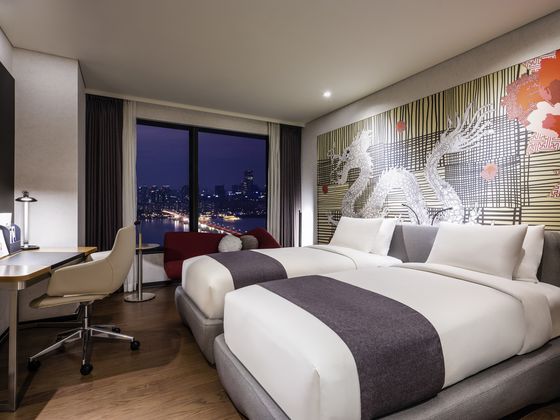
Seoul - Novotel Ambassador Seoul Yongsan
This sophisticated hotel is located in Seoul. Guests enjoy a swimming pool, modern fitness facilities, and direct connection to Yongsan Station and I-Park Mall for seamless transportation and shopping. Nearby, you'll find the...
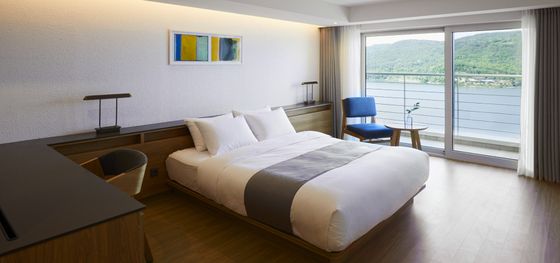
Gyeongju - Lahan Select Gyeongju
This polished hotel is located in Gyeongju. Guests enjoy an outdoor pool, a sauna, and a well-equipped fitness center. Nearby, you'll find the scenic shores of Bomun Lake, the Wooyang Museum of Contemporary Art, and the storied...

Busan - Asti Hotel
This elegant hotel is located in Busan. Guests enjoy a state-of-the-art fitness center, a delightful restaurant with panoramic harbor views, and complimentary high-speed Wi-Fi throughout the property. Nearby, you'll find the...
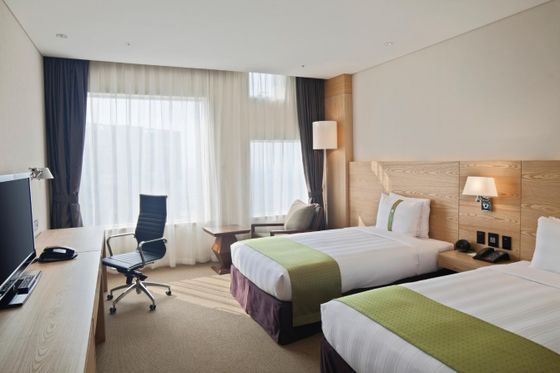
Gwangju - Holiday Inn Gwangju
This modern hotel is located in Gwangju. Guests enjoy a well-equipped fitness center, on-site restaurant and bar facilities, and convenient access to local business districts and shopping areas. Nearby, you'll find the...
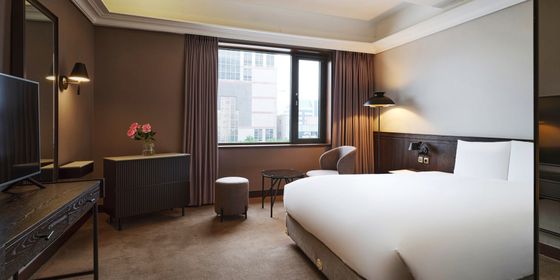
Jeju Island - Maison GLAD Jeju
This sleek, upscale hotel is located in Jeju City. Guests enjoy a full-service spa, a swimming pool, and room service. Nearby, you'll find the bustling Dongmun Traditional Market, the breezy Tapdong Beach Plaza, and the mythic...
Flights
Make your journey to and from your tour as smooth as possible by letting our travel experts handle your round-trip flights. We’ll select the best itinerary for you at a great rate, thanks to our airline partnerships.
Your Go Ahead flight package includes:
- A round-trip flight for your tour from your preferred home airport
- An EF representative waiting for you on arrival to whisk you to your hotel
- Your lowest price locked in, so you don’t have to track airfare
- 24/7 on-tour support from our dedicated flights team
- Complimentary luggage retrieval services through Blue Ribbon Bags
- Dedicated flight experts to help arrange early arrivals, longer stays, or upgrades, so every detail fits your travel style
- Stress-free rebooking if your tour itinerary changes
Find out more about flights
FAQ
- In order to enter South Korea, U.S. and Canadian citizens need a valid passport with an expiration date extending at least six months beyond the date of return.
- We recommend having at least two blank passport pages for entry stamps.
- There is no visa required for U.S. or Canadian citizens to enter South Korea until January 1, 2027.
- Travelers must complete the Korea e-Arrival card within 72 hours prior to arriving in South Korea. Read more about South Korea's entry requirements here.
- If you are not a U.S. or Canadian citizen, you must contact South Korea’s consulates for your specific entry requirements.
- You can see the most up-to-date entry requirements for the destination(s) you’ll visit on tour by going to goaheadtours.com/entry-requirements and searching the code SKA.
- Round-trip flights booked through Go Ahead Tours arrive in and depart from Seoul.
- Transfers to and from the airport at the beginning and end of the tour are included for travelers who purchased their flights through Go Ahead Tours. Travelers who booked their own flights are responsible for securing their own airport transfers.
- When you arrive in Seoul, a Go Ahead representative will be waiting for you in the arrivals hall with a Go Ahead sign or a sign with your name(s). If you don’t see a representative immediately, please be patient and stay in the arrivals area. They may be assisting another traveler who has also just arrived and will be back shortly.
Physical Activity Level
This is a high physical activity-level tour. You can expect to be on the move on a regular basis throughout the course of the tour.
Tour Pacing
This is a brisk-paced tour. The pace of a tour itinerary considers how often you’ll switch hotels, the amount of planned daily activities, and how you’ll get from place to place. You can expect:
- Two 1-night stays
- Most days full of included activities (more if you add excursions)
- Most transportation by motor coach, some by train.
- About 4 hours of bus time daily
Walking, Terrain & Physical Requirements
- Travelers should be prepared to walk 2-3 miles per day—this includes city streets, cobblestones, stairs, and hills.
- Stone and marble walkways may be slippery even when dry.
- Travelers must be able to walk up and down 108 stairs to access the Haedong
- Yonggungsa Temple complex during the sightseeing tour of Busan.
- Travelers must be able to walk down several steep staircases to access Manjanggul Lava Tube on the tour extension.
- Travelers should be healthy enough to participate in all included walks without assistance.
- Please Note: Adding optional excursions may increase the total amount of walking on tour.
Climate Considerations
- Temperatures range from 40sF in winter to low-80sF in summer, with occasional heatwaves in the summer months (June-September).
- Summer is the rainy season in South Korea and travelers should expect hot, humid days.
Physical Activity & Tour Pace Questions
- Go Ahead Tours and the Tour Director who accompanies your group are unable to provide special mobility or luggage handling assistance to travelers on tour. The responsibility of the Tour Director is to ensure the group enjoys a smooth and informative journey, and they can’t be relied on to provide individualized assistance to any one traveler.
- This tour moves at a reasonable pace to avoid missing scheduled stops. The rest of the group cannot miss any scheduled activities because of the needs of an individual.
- Due to the pace and physical activity level of this tour, mobility aids such as wheelchairs or walkers will be difficult to use and are not recommended. Please notify Go Ahead Tours before your departure if you plan to bring these on tour with you.
- If you have mobility concerns or tour pacing questions, please visit our Help Center or send a message to our Customer Experience Team.
- This tour includes various modes of transportation trains and private motor coach. Some modes of transportation will have raised platforms or steps and often not provide access to ramps or lifts.
- High-speed train transfers from Seoul to Gyeongju, and Gwangju to Seoul are included in the price of your tour. The tour extension also includes a round-trip flight between Seoul and Jeju Island.
- All other included transportation on this tour is by private motor coach.
- Train stations typically operate similarly to airports: Security measures, such as baggage and body scanners, are common. Additionally, platforms are often spread across large distances and require travelers to carry their luggage up and down escalators or stairs. Porterage services aren’t offered and storage space is extremely limited. Please keep in mind that trains may only stop at each station for a few minutes; quick boarding and deboarding may be imperative.
- Please note that our travelers are limited to one checked bag and one carry-on bag per person due to storage limitations on motor coaches and trains.
- Some airlines may impose additional charges if you choose to check baggage or exceed baggage size and weight restrictions. Be advised that you are responsible for any baggage fees incurred on all flights.
- Contact your airline(s) for baggage size and weight restrictions for your flights.
- Make sure you label your baggage and keep valuables, medication, and documents in your carry-on bag.
- Travelers must be able to manage their luggage throughout tour; porters aren’t guaranteed at hotels or airports.
- Luggage storage on trains is extremely limited, and only hand luggage is allowed. Larger luggage will be shipped to each hotel and typically arrives the following day so an overnight bag is recommended.
- We recommend packing lightweight, loose-fitting clothing that can be easily layered to accommodate varying temperatures, as well as a light jacket or rainwear.
- A sturdy pair of walking shoes or sneakers is recommended for sightseeing.
- You may want to pack dressier attire if you plan to visit a high-end restaurant or attend a special performance.
- It’s preferable not to visit churches or other religious sites with bare legs or shoulders. Entrance may be denied on this basis.
- We recommend packing a universal adapter, as well as a voltage converter if you plan on using a hairdryer or other device without a built-in converter.
- In case of emergencies, we also recommend packing your medical insurance card in your carry-on.
- Go Ahead handpicks every hotel you’ll stay at, striking a balance between comfort, location, and local charm.
- Specific properties will vary based on your departure date, but are typically three-to-four-star hotels; always include private bathrooms; and usually have in-room safes for valuables. Additionally, your hotels will have Wi-Fi, but access may be limited to common areas. There may also not be elevators.
- Unfortunately, we can’t guarantee that your accommodations will have laundry services or facilities. We recommend checking directly with your hotels once they’ve been confirmed, about 30 days prior to departure.
- Some hotels on this tour are situated on narrow streets; as such, our buses can’t drop you off right out front. In these instances, you’ll have to walk your luggage to the property, no more than a few blocks.
- Please be advised that the air conditioning in Asian hotels and buildings is often not as strong or cool as what you might be used to in the U.S. or Canada.
- South Korea operates on 220 volts and uses Type C and F plugs.
- Specific accommodations will vary based on your departure date.
- Excursions are available for purchase prior to departure, and most excursions will be available for purchase while you are on tour directly through your mobile app for an additional $10 USD.
- We recommend purchasing excursions at least 3 days prior to your tour departure. Please note some excursions have advance booking deadlines. Check your tour itinerary for more information to ensure you don’t miss the deadline to add them.
- Optional excursions may be canceled on tour due to reasons like low enrollment, weather or unexpected closures. If an excursion you signed up for is canceled by Go Ahead Tours, you will be refunded the full cost of the excursion. Please note it may take up to 60 days for your refund to be processed.
- Your Tour Director may offer their own optional excursions which can only be purchased on tour via cash (in local currency).
- At least 60 days prior to departure, check with your doctor or healthcare provider for the latest updates and entry requirements, or visit the Center for Disease Control and Prevention website at cdc.gov.
- If you have dietary restrictions and/or food allergies, please notify Go Ahead Tours at least 30 days prior to your departure by logging in to your account and updating your traveler info. To update this information closer to your departure date, please contact our Customer Experience Team.
- If you have medication that you take daily, be sure you have enough for each day of the tour as well as any possible delays encountered.
- Most of our itineraries include headsets used during certain sightseeing tours so travelers can hear their guides or Tour Director. If you use an assisted listening device, such as a hearing aid or cochlear implant, please visit our Help Center for more information or contact our customer experience team. Please note that at this time not all our destinations offer headsets due to supplier limitations.
- You can see the most up-to-date entry requirements for the destination(s) you’ll visit on tour by going to goaheadtours.com/entry-requirements and searching the code SKA.
- This tour includes two lunches and three dinners: They may be set menus, buffets, or family-style meals, depending on the location. Dinners also include one glass of beer, soju, or a soft drink, as well as water.
- Breakfast each morning is also included at the hotel and is typically buffet style with hot and cold options.
- In South Korea, typical foods include rice, noodles, kimchi (a traditional Korean side dish made from fermented cabbage, radish, or cucumber and seasoned with ingredients like fish sauce and chili flakes), and bulgogi—a popular Korean barbecue dish. Meals are often bold, spicy, and savory, with garlic, sesame oil, chili paste (gochujang), and fermented ingredients playing key roles. Expect a variety of textures and temperatures in one meal, and a strong emphasis on communal dining—many dishes are shared at the table. Korean cuisine also places importance on balance, with meals typically including rice, soup or stew, a main dish, and multiple side dishes (banchan), which are refilled at no extra cost in many restaurants.
- Travelers should be prepared for strong flavors and generous use of spice, especially in dishes like kimchi, tteokbokki (spicy rice cakes), and various stews. Fermented foods are common and may have a pungent aroma that takes some getting used to. Meals are often served with metal chopsticks and a spoon, and it's customary to eat rice and soup with the spoon. Dining is often interactive—such as grilling meat at the table or mixing ingredients in a hot stone bowl (as with bibimbap). Vegetarian options can be limited, though tofu and vegetable-based dishes are available.
- A typical Korean breakfast might include rice, soup, kimchi, and small side dishes, similar to lunch or dinner. Lunch often features quick, hearty meals like bibimbap (mixed rice with vegetables, meat, and egg), jjigae (stew), or kimbap (rice and fillings rolled in seaweed). Dinner is usually the most elaborate meal, often shared with family or friends, and may include grilled meats, stews, and a wide array of banchan.
- At the conclusion of your tour, it is customary to offer your Tour Director and driver a gratuity in local currency. Please keep current exchange rates in mind.
- We recommend tipping $10USD to $12USD per person per day for your Tour Director and $4USD per person per day for your driver.
- If applicable, we also recommend $2USD per local guide.
- Tips can only be paid in cash.
- If you are traveling to multiple countries with different currencies and the same Tour Director, ask them what currency they prefer for their tip.
- The cost of porterage is included in your tour price, and it is not necessary to tip baggage handlers.
- You will use the the Korean won on tour.
- Better rates of exchange are usually available overseas, although it’s worth ordering some currency from your local bank to use when you first arrive.
- We strongly advise that you take debit and credit cards, which can be used to withdraw cash at local banks as needed.
- You can use most cards at ATMs on the international networks Cirrus and Plus, but make sure to check with your home bank about withdrawal fees.
- International banks and businesses primarily accept debit and credit cards that work with the EMV chip system. If you don’t already have at least one card with a chip in it, we strongly recommend requesting one from your bank prior to your tour.
- Plan ahead and bring cash to tip your Tour Director, local guides, and bus drivers.
- To help you feel prepared before traveling on tour, we strongly recommend downloading the EF Go Ahead Tours mobile app. It’s free and provides information about important deadlines and entry requirements, as well as your detailed itinerary, packing tips, and more. You can also connect with fellow travelers through the app’s chat feature.
- Wi-Fi is available in most hotels, though some charges may apply.
- There is no Wi-Fi on any of the motor coaches.
- Please contact your mobile service provider for information on roaming charges.
- Your Tour Director will be leading your group throughout your journey. You will have the same Tour Director throughout your tour.
- The role of the Tour Director is not only to provide information and context on the destinations you visit, but also to confirm services, coordinate inclusions, prepare each days’ activities and support travelers while on tour. As such, they must focus on the success of the group, and cannot provide individualized assistance to any one traveler.
- One of the benefits of traveling with EF Go Ahead Tours is our on tour emergency support team.
- Our extensive network of offices around the world, and our integration of ISO 31000: Risk Management Guidelines, help our dedicated 24/7 Emergency Service teams anticipate and address on-tour challenges in a flexible and iterative way.
- This team supports travelers and Tour Directors using a combination of extensive training, simulations, incident response planning, and decades of experience to help manage emergencies if they arise, ranging from personal health concerns or injuries to major world events.
- As needed, On Tour Support can facilitate additional support for travelers on tour, arrange assistance from outside specialists, and liaise with local and international authorities to help solve on-the-ground issues. In addition, the team is dedicated to supporting and facilitating communication between travelers and families in the event of an emergency while on the road or at home.
- South Korea is nine hours ahead of Greenwich Mean Time (GMT) and 14 hours ahead of Eastern Time (ET).
- When it’s noon in New York, it’s 2 am the next day on tour.
- When you travel with Go Ahead Tours, you’ll make a positive impact on the places you visit and the people and animals you meet along the way. That’s because our three core Responsible Travel commitments—protecting the environment, supporting local communities, and promoting animal welfare—are at the heart of every tour we offer.
- Travel, when done responsibly, can have an enormous socioeconomic impact on communities. To maximize your impact, eat at locally owned restaurants and shop at small businesses. Ask your Tour Director to point out restaurants they recommend.
- Prepare for your trip: Be aware of monetary norms such as tipping and negotiating in a market; learn about the destination’s forms of etiquette; and take some time to learn a few words in the local language.
- When interacting with locals, make sure to ask people for permission before you take their picture, and approach cultural differences with empathy and an open mind.
- Go Ahead Tours encourages travelers to limit their waste while on the road, especially single-use plastics. You can cut back on generating plastic waste by packing your own toiletries, using electronic documents, and bringing a reusable water bottle and shopping bag. If you need to use plastics or paper, please recycle.
- When visiting national parks, reserves, or other protected areas, please do not remove anything from the natural environment or leave any litter. Carry out what you carried in.
- If you feel we aren’t meeting any of these commitments, please let us know.