Ireland tours
Bring your dreams of freshly poured Guinness and rolling green landscapes to life by booking an Ireland tour. With a $99 down payment and flexible monthly installments, taking a trip has never been easier.†
One tour. All the best of Ireland.
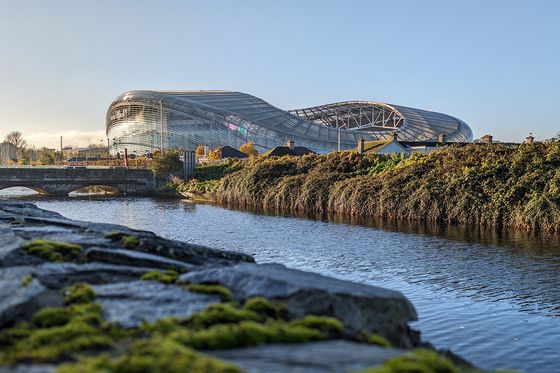
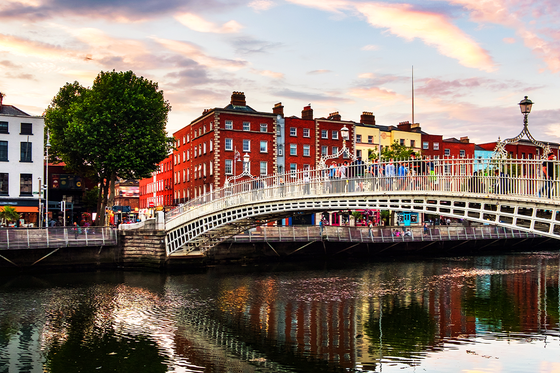
Experience the River Liffey, the Wild Atlantic Way, and more of the Emerald Isle’s gems in eight days.
More than my wildest dreams!
I was amazed ☺️ and felt safe at all times. From our accommodations to flights and (everything) in between, it was priceless.
—Julie, September 2025
Find the right weeklong Ireland trip for you
No matter your interests or travel style, there’s a one-week tour of Ireland to match.

For those going solo
Visit Counties Dublin, Cork, and Galway with a group by your side.
Show me the trip →
For first-time visitors
See the Cliffs of Moher, the Burren, and other can’t-miss highlights.
Show me the trip →)
For medieval history buffs
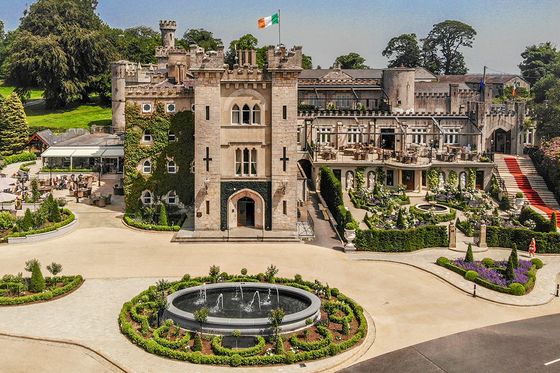
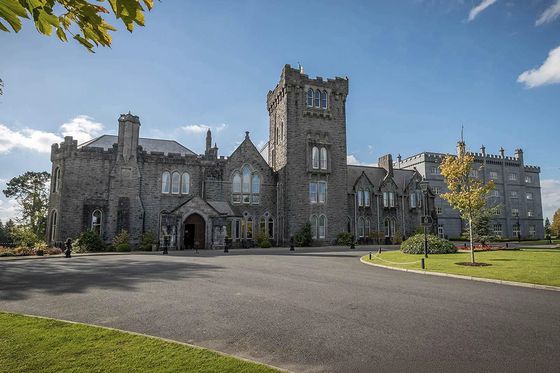
Explore Ireland’s legendary castles—and even spend a night in one.
Show me the trip →)
For St. Patrick’s Day fun
Soak up the music, parades, and joy that fill Dublin’s streets.
Show me the trip →The Ireland moments travelers love most—at no extra cost
With more than 25 years of expertise, we’ll take you beyond the guidebooks in Ireland
Our experts take care of planning sightseeing, coordinating transfers, and more, so you can focus on the little things that make Ireland sing—like the way the wind blows across the Burren, or how sheepdogs corral their herds on a working farm.
Pre-booked tickets to
sites like the Rock of Cashel
Smaller groups,
bigger connections
Curated by experts
who understand Ireland
24/7 support,
all around the world

5,000-plus travelers had their say—our Ireland tours earned 4.5 out of 5 stars

We were able to see and experience so many of Ireland’s landmarks, towns, people, and beautiful country. ... This was a vacation that I will always remember and it will be hard to top.
— Brandy, Grand Tour of Ireland, September 2025
Your Ireland trip. Our expert insight.
Wondering where to visit or what to pack? Read on for Go Ahead’s top recommendations—all backed by decades of experience building guided group tours.

Go Ahead’s favorite places in Ireland
Whether you prefer the festive atmosphere of a Galway trad performance or the serenity of Killarney National Park, we’ll take you to the Ireland of your dreams—and handle all the logistics for you.
Visit Ireland’s northern neighbors
As part of the United Kingdom, Northern Ireland is a different country. But an open border makes it easy to visit—and worth your while to explore its capital, Belfast.
Why you should visit Ireland on your next trip
The landscapes amaze
From the karst of the Burren to the grass of its sheep-dotted hills, Ireland lives up to its brilliant nickname—and, somehow, exceeds it. No tour of the country would be complete without a drive along its coasts and across the countryside.
The people are friendly
Known around the world for their hospitality and kindness, the Irish welcome visitors to their country with open arms. You’ll make fast friends over good craic—the local term for easy conversation and light banter.
There’s a shared language
Though Irish is the first official language, English is the most widely used, spoken by about 95% of the population. You’ll hear it in major cities and small towns, making Ireland an excellent choice if you’re traveling solo or going abroad for the very first time.
Ireland travel tips and FAQs
The length of the guided tour of Ireland you choose plays a big factor in what you can see and do. Before choosing, it's helpful to think about which specific sites you’d like to see on your trip. Ireland is a relatively small country and easy to explore, but it can take some time to get around. On our Ireland tours, you can choose a number of different ways to experience the country according to your interests. Here are some of our favorite places to visit in Ireland.
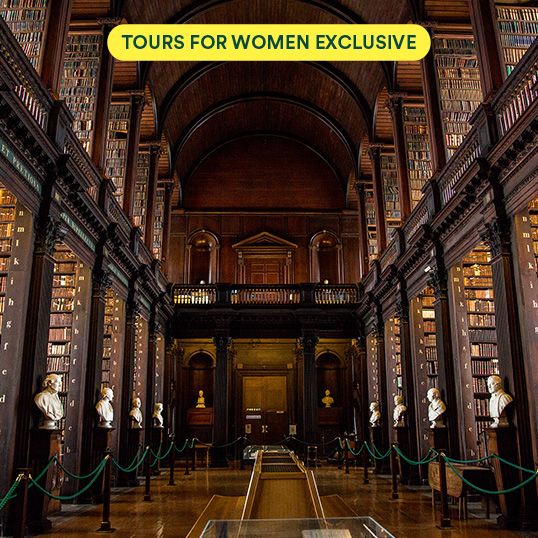
- Dublin. St. Patrick’s Cathedral, Ireland’s largest, offers beautiful stained glass windows and a rich history. But don’t miss Dublin Castle, Guinness Storehouse, or Trinity College, either.
- County Tipperary. The Rock of Cashel is a must-see. This group of ancient buildings on a limestone outcrop above the town of Cashel offer a glimpse into Ireland’s medieval history.
- County Cork. Blarney Castle, home to the famous Blarney Stone, isn’t the only reason to visit County Cork. Ireland’s largest county is also known for having the country’s best food.
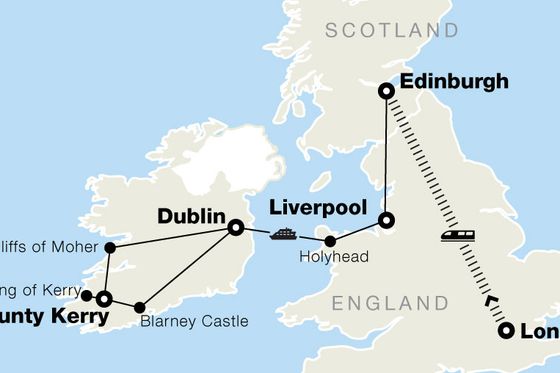
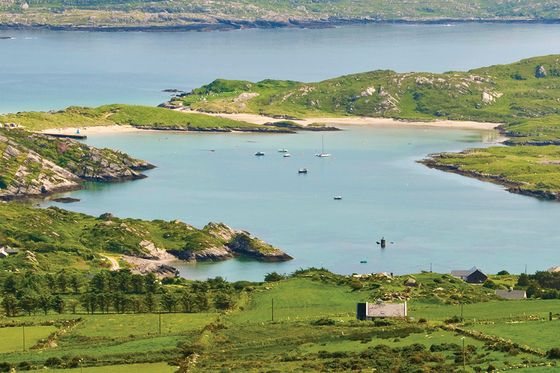
- County Kerry. This region is home to the Ring of Kerry, a 112-mile coastal route that winds through some of Ireland’s most spectacular scenery. Those views are rivaled in Killarney National Park, which is dotted with lakes and dominated by Ireland’s highest mountain, Carrauntoohil.
- County Clare. The Cliffs of Moher, offering some of the most purely beautiful vistas in all of Ireland, are the big draw here. You can also check out the traditional music scene in the quaint village of Doolin, not far from the cliffs.
- County Donegal. The towering Slieve League cliffs, rising nearly 2,000 feet above the Atlantic Ocean, are some of the highest in Europe. You won’t find a better place to snap incredible photos.
In the land of cozy pubs, green landscapes, and rich culture, there’s a lifetime of attractions to explore. Here are some of the top sites to visit in Ireland:
- Ring of Kerry. One of the most scenic drives in Ireland passes through charming villages and treats you to stunning views of the mountains, lakes, and coastline.
- Grafton Street in Dublin. A great place to experience Irish culture, this vibrant pedestrian street is home to pubs, cafes, high-end boutiques, and souvenir shops.
- Glendalough. Located in a beautiful valley surrounded by mountains and lakes, Glendalough is home to an ancient monastic settlement founded in the sixth century by Saint Kevin.
- The Wild Atlantic Way. The western coast of Ireland is home to some of the Emerald Isle’s most magnificent scenery and is a great way to experience the country’s beauty and diversity.
- Kilkenny Castle. Originally built in 1195, this historic castle is a beautiful example of medieval architecture and offers stunning views from its ramparts.
- Cliffs of Moher. This nearly nine-mile stretch of towering sea cliffs is breathtaking when the rushing waves of the Atlantic Ocean crash against the coastline.
- Dublin Castle. Once the seat of British power in Ireland, the castle is now a popular tourist destination and houses a number of museums and art galleries.
- St. Patrick’s Cathedral. The largest cathedral in Ireland, and one of the largest in Europe, is known for its beautiful stained glass windows.
- The Dingle Peninsula. Our trips to the Dingle Peninsula allow you to get to know this incredible part of Ireland, from scenic drives with views of the coastline to the charming, colorful town of Dingle.
Several of our tours will take you from Ireland to Northern Ireland. The island of Ireland is separated into two jurisdictions. The Republic of Ireland is an independent country, while Northern Ireland is part of the United Kingdom. As such, you’ll use the pound sterling (GBP) when you cross over into Northern Ireland. While there is no physical border, it’s important to remember that they are two separate countries.
Some of our favorite activities in Northern Ireland include visiting:
- Giant’s Causeway. This jaw-dropping geological site is made up of 40,000 basalt columns formed by volcanic activity more than 50 million years ago.
- The Titanic Museum. A dramatic tribute located in Belfast, where the famed ship was designed, built, and launched.
The best time of year to go on a tour of Ireland depends on your preferences. The summer months (June to August) are generally the warmest and most popular, but they can also be the busiest and most expensive. The spring (March to May) and fall (September to November) months are less crowded and can offer more affordable prices. Winter (December to February) can be cold and rainy, but it can also be a good time to visit if you want to experience the festive holiday season.
Thanks to the Gulf Stream, Ireland has a temperate climate. Typically, the summers are warm and the winters are mild. No matter what time of year you visit Ireland, be sure to pack a raincoat or umbrella. The weather there can be unpredictable, so it’s always a good idea to be prepared for rain.
- March, April, and May. Many consider spring the best time to go to Ireland. Ireland’s weather in March includes drizzles of rain and longer days. With spring flowers blooming and Saint Patrick’s Day celebrations in full swing, this is a great time to travel on any of our tours to Ireland.
- June, July, and August. Summer in Ireland isn’t scorching hot like many other parts of the world. The temperature in August and throughout the summer rarely breaks 70 F. With flora at its greenest, summer is considered one of the best times of year to visit.
- September, October, and November. Ireland’s fall weather brings mild days in the 50s. With summer tourists home, the lush hills still green, and all top attractions still open, fall comes highly recommended as one of the best times to book any of our Ireland trip packages.
- December, January, and February. The weather in Ireland is mild compared to many other parts of the world during winter. It rarely snows, and the temperatures in Ireland can reach up to 60 degrees. You will need to pack a coat, but the hearty stews of Ireland taste even better with a chill in the air. Local traditions and fewer crowds make this one of the best times to visit.
One trip isn’t enough to experience all that Ireland has to offer. From visiting rolling sheep-dotted hills to lively centuries-old towns, sunny beaches to vertigo-inducing cliffs, there’s so much to do and see on group tours of Ireland. Some of the most popular activities include:
- Listening to traditional Irish music. A “trad session”—a loosely organized, sometimes impromptu live performance—at an old-fashioned pub is the best way to go. Our favorite pubs in Ireland will do the trick.
- Driving the Wild Atlantic Way. True to its name, this winding, 1,550-mile route along Ireland’s western coastline is rugged and untamed. But the Wild Atlantic Way has more than just scenic views. Between long stretches of natural splendor are little clifftop villages and seaside towns and cities that offer a window into the Irish way of life.
- Walking along the Cliffs of Moher. Offering uninterrupted views of the Aran Islands from hundreds of feet above the Atlantic Ocean, these cliffs are a longtime favorite among travelers who have gone on our tours.
- Learning how to pour the perfect pint. A visit to the Guinness Storehouse in Dublin involves more than enjoying a pint of Ireland’s favorite beer. You can also learn the six-step ritual for pouring a Guinness, including what type of glass to use and the perfect temperature for pouring.
- Touring the Kilmainham Gaol. First opened in 1796, this infamous jail once held Nelson Mandela, among other revolutionaries and political prisoners. A tour offers a sobering, fascinating window into Ireland’s history.
- Exploring the medieval town of Kilkenny. Walking the central Medieval Mile will have you feeling like a time traveler. Don’t miss the nearby ancient hilltop fortress, the Rock of Cashel.
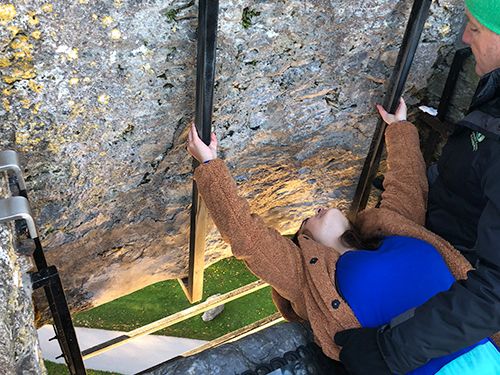
- Kissing the Blarney Stone. Millions of pilgrims have climbed the Blarney Castle's steps, leaned backward, and kissed the legendary stone in hopes of gaining the gift of gab. Thanks to the installation of an iron railing, you no longer have to be held by the ankles and lowered down to kiss the stone.
- Traveling around the Ring of Kerry. This 112-mile coastal route winds through some of Ireland’s most spectacular scenery, including Killarney National Park.
Get the full scoop on the Emerald Isle in our Ireland Travel Guide →
Centuries-old towns, towering cliffs, ancient castles, and that rolling, green landscape: You’ll take it all in during your trip. But it’s those experiences you can only have in the Emerald Isle that make for lifelong memories. Here are some unique experiences you can have on our tours of Ireland:
- Kiss the fabled Blarney Stone outside Cork
- Tour the Guinness Storehouse in Dublin
- Take a cooking class and learn how to make traditional Irish dishes
- Take stunning photos at the Cliffs of Moher in County Clare
- Enjoy a pint in the world’s oldest bar in County Westmeath
- Celebrate the winter solstice in Newgrange
- Feast like royalty in the banquet hall of a castle
Ten amazing things to do in Ireland →
Ireland is a friendly and welcoming country. The Irish people are known for their warm hospitality and their love of conversation. They are also known for their sense of humor and their love of music and dance. Still, it’s helpful to be aware of their customs and etiquette while visiting Ireland.
- Greetings. When greeting someone in Ireland, it’s customary to shake hands.
- Phrases to know. “What’s the craic?” (pronounced “crack”) is how the Irish ask, “What’s up?” At a pub, ask for a “pint of gat”—that is, a pint of Guinness. And to toast the new friends you’ll undoubtedly make in Ireland, say “sláinte!” (pronounced “SLAWN-cha”).
- Tipping. Though not expected in Ireland, tipping is appreciated. A tip of 10% is considered appropriate for good service.
- Be punctual. Punctuality is important in Ireland, and being late is considered rude.
- Dress appropriately. Ireland is a relatively casual country, but it’s still important to dress appropriately for the occasion. For example, you wouldn’t want to wear shorts and a T-shirt to a nice restaurant.
- Learn a few basic Irish phrases. Even if you don’t speak much Irish, it’s always appreciated when visitors learn a few basic phrases. This shows that you’re making an effort to connect with the local culture.
- Politics. Ireland has a long and complicated history, and politics can be a sensitive topic. It's best to avoid discussing politics with people you don’t know well.
- Be respectful of culture and customs. Ireland is a diverse country with a rich culture, and it’s important to be respectful of their customs and beliefs.
We recommend you spend at least six days in Ireland. While our most popular Ireland tours run nine days or more, you can enjoy a shorter trip if you limit your tour to one or two cities.
English is Ireland’s main language, and all native Irish people can speak English. However, you’ll also see some signs and place names in Irish Gaelic.
Ireland uses the euro.
To stock up on local currency, order some euros from your bank before you go, or use your debit card at an ATM once you arrive. For tips on using the euro while on our trips to Ireland, check out our blog on currency exchange →
Traditional Irish cuisine is comforting and hearty. And, yes, many dishes are made with potatoes, which are a staple crop in Ireland. But the real joy in Irish food is enjoying it along with good company in the local pub or restaurant. While you’ll find plenty of great food in Ireland’s major cities, here are some traditional dishes to savor while on our Ireland tours:
- Irish stew. This hearty stew is made with lamb, potatoes, carrots, onions, and other vegetables. It’s typically cooked in a slow cooker or on the stovetop until the meat is tender and the flavors have melded together.
- Soda bread. This traditional Irish bread uses baking soda instead of yeast as a leavening agent, giving it a slightly sour flavor that’s balanced by the sweetness of the buttermilk. Topped with butter and jam, it’s a great accompaniment to soups, salads, and stews.
- Boxty. The Irish version of the fried potato pancake was originally made to use up leftover potatoes. The key to its trademark consistency is finely grated potato mixed with flour and buttermilk. Enjoy it plain or topped with bacon, cheese, or eggs.
- Scones. Rich, buttery Irish scones (pronounced “scons” locally) may be the best you’ve ever tasted. They’re made with fresh, high-quality ingredients, including stone-ground flour, Irish butter, and buttermilk. They’re often paired with homemade jam, clotted cream, or butter.
- Shepherd’s pie. You’ll find this hearty baked pie at nearly every pub in Ireland. The popular (and delicious!) comfort food is made with a mix of ground lamb and vegetables, topped with mashed potatoes and cheese.
- Fish and chips. This classic dish, and popular fast-food option, is made with fried fish and french fries. It’s best enjoyed by popping into a pub for some conversation with locals as you dig into your meal.
- Guinness. Brewed in Dublin, Guinness is known for its smooth, creamy texture and its roasted, chocolatey flavor. At pubs all over Ireland, they’ll pour it correctly to create its iconic creamy head. It’s a beer that pairs well with Irish food—especially fish and chips.
Even though the weather can be quite unpredictable, we recommend packing light for our trips to Ireland. One suitcase and one carry-on per person is a good guideline to follow; you should feel comfortable managing your baggage at the airport. After you’ve booked one of our tour packages, we’ll give you information about how to prepare for your particular trip and even share a packing list in our mobile app.
- Layers. We recommend packing lots of layers to accommodate varying temperatures, as well as a light jacket or rainwear.
- Travel umbrella. You’ll appreciate having a packable umbrella handy in case of spot showers.
- Comfortable walking shoes. Since you’ll be doing a lot of walking while on our guided tours to Ireland, a comfortable pair of walking shoes, sneakers, or boots is essential to have. Those walking shoes will come in handy in a country best explored on foot.
- Dressier attire. You may want to pack dressier attire if you plan to visit a high-end restaurant or attend a special performance.
- Sun protection. For all our trips, especially during the summer months in Ireland, we recommend bringing sunscreen, sunglasses, and a hat to protect your face and the back of your neck.
- An RFID money belt or wallet. These are always a great idea when traveling internationally, especially through airports and crowded city streets. Radio-frequency identification (RFID) can protect your credit card info from electronic theft, and a money belt will conceal your cash without ruining your outfit.
Once you’ve reserved one of our Ireland tour packages, we’ll send you detailed information about what to bring with you. Don’t forget to download the Go Ahead Tour companion app before you take off, so you’ll have all the info you need about your trip right in your pocket.
Planning your next tour?
Hop across the Irish Sea to visit the United Kingdom—or maybe venture farther afield to see what continental Europe has in store.


)