Ireland Travel Guide: The best things to do, see, and eat
From the Cliffs of Moher to the pubs of Galway, this Ireland Travel Guide covers the best things to do, see, and eat on the Emerald Isle and how to experience them on tour.

There’s a reason so many travelers come to Ireland once and start planning their return before they’ve even left. It’s a country that captures your heart. The landscapes are dramatic, the pubs are welcoming, and the craic, as the Irish say, is always good. Whether you’re drawn by the Cliffs of Moher and Blarney Castle, the trad sessions spilling out of pub doorways on a misty evening, or simply the idea of a place that feels just a little bit magical, Ireland is ready for you. This Ireland Travel Guide covers everything you need to plan your trip to Ireland: the best things to do, the best time to visit, what to eat, what to pack, and how to find the experiences that go beyond the obvious.
Ireland travel basics
Currency: The euro is used throughout the Republic of Ireland. In Northern Ireland (part of the United Kingdom), you’ll use the British pound sterling (GBP), so it’s worth having some on hand if your tour of Ireland takes you across the border into Belfast or Derry.
Language: English is Ireland’s main language and is spoken everywhere. You’ll also see Irish Gaelic (also called Irish) on road signs, place names, and official documents—it’s the country’s first official language, and some communities in the west still speak it as their primary tongue.
Getting around: The easiest way to get around Ireland is by coach or car. Public transportation connects the main cities, but rural areas—where Ireland’s best scenery tends to be—require wheels. A train between Dublin and Cork takes around two and a half hours, and when you join us on a guided tour of Ireland, we’ll take you to all the landmarks and landscapes via private motor coach.
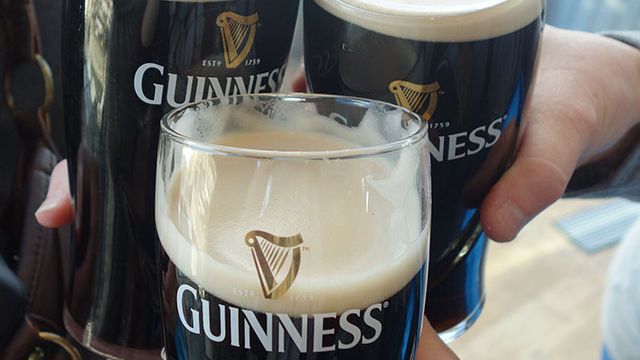
Phrase to know: “What’s the craic?” (pronounced crack) is how the Irish ask, “What’s up?” You’ll hear the word “craic” a lot, as it can refer to everything from music to good conversation. When you’re at a pub, ask for a “pint of gat”—that is, a pint of Guinness. And to toast the new friends you’ll undoubtedly make in Ireland—whether you’re a solo traveler or traveling with friends—say, “Slainte!” (pronounced slawn-cha), or “health.”

Best time to visit Ireland
The best time to visit Ireland depends on what you’re looking for. Ireland’s mild, temperate climate means no time of year is truly off-limits, but each season has its own character—from the lively energy of March to the long golden evenings of summer and the cozy pub culture of winter. For a full breakdown of when to go, see our season-by-season guide to visiting Ireland.
Visit Ireland in the spring for blooming landscapes and St. Patrick’s Day
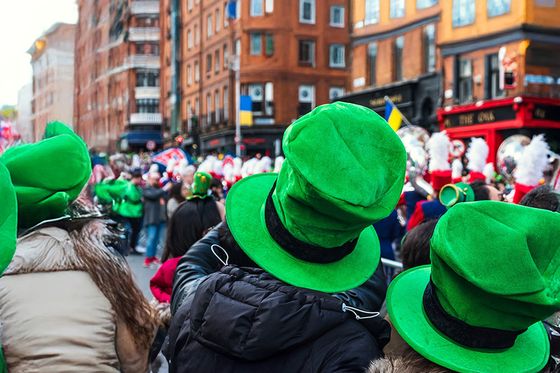
March through May brings wildflowers along the hedgerows, lambs to the fields, and vivid greens that justify the Emerald Isle nickname. Spring is also St. Patrick’s Day season, and Dublin’s parade alone makes March one of the best times to visit Ireland. See our guide to celebrating St. Patrick’s Day in Ireland, or experience it firsthand on our A Week in Ireland: St. Patrick’s Day tour.
Visit Ireland in the summer for festivals and long days
June through August brings temperatures in the mid-50s to around 70 F and daylight past 10 p.m. Coastal towns fill up, and festivals run across the country. It’s peak season, and with that comes higher prices and larger crowds, but there are still so many reasons not to miss summer in Ireland.
Visit Ireland in the fall for autumnal colors and cultural celebrations
Ireland’s landscapes are spectacular in the fall, and September and October offer an excellent balance between comfortable temperatures in the 50s F and far fewer crowds than summer. Harvest festivals, food festivals, and Samhain (aka Halloween) celebrations mean there’s always something to do.
Visit Ireland in the winter for a festive atmosphere and the best prices
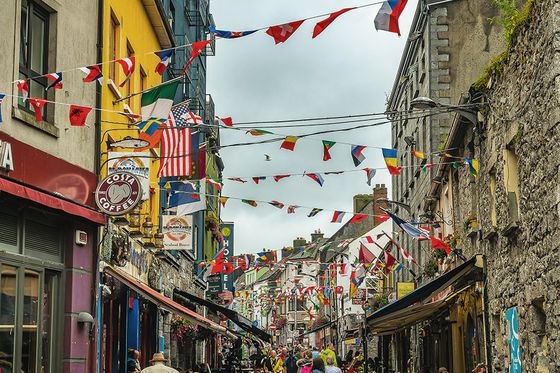
November through February is Ireland’s quietest season, but it’s far from dull. Christmas markets in Dublin and Galway bring festive warmth, pub culture is at its peak, and major attractions are crowd-free. Temperatures hover in the 40s F, and it’s the best time to visit for lower prices and an authentic local atmosphere.
Discover Ireland in every season

What to see in Ireland
Ireland’s best places to visit range from one of Europe’s most dramatic natural wonders to a medieval manuscript that has survived 1,200 years intact. These are the sights that define the country—the ones that appear on any Ireland itinerary for good reason. For a broader look at the country’s cities, check out our guide to the top cities to visit in Ireland.
Trinity College and the Book of Kells
Trinity College Dublin is home to two of Ireland’s great cultural treasures: the Book of Kells (an illuminated manuscript created by Celtic monks around 800 A.D.) and the Long Room (a barrel-vaulted hall of 200,000 ancient books). Seeing both is one of the most memorable things to do in Ireland. Check out our Dublin Travel Guide for more of what to see in the city.
Giant’s Causeway
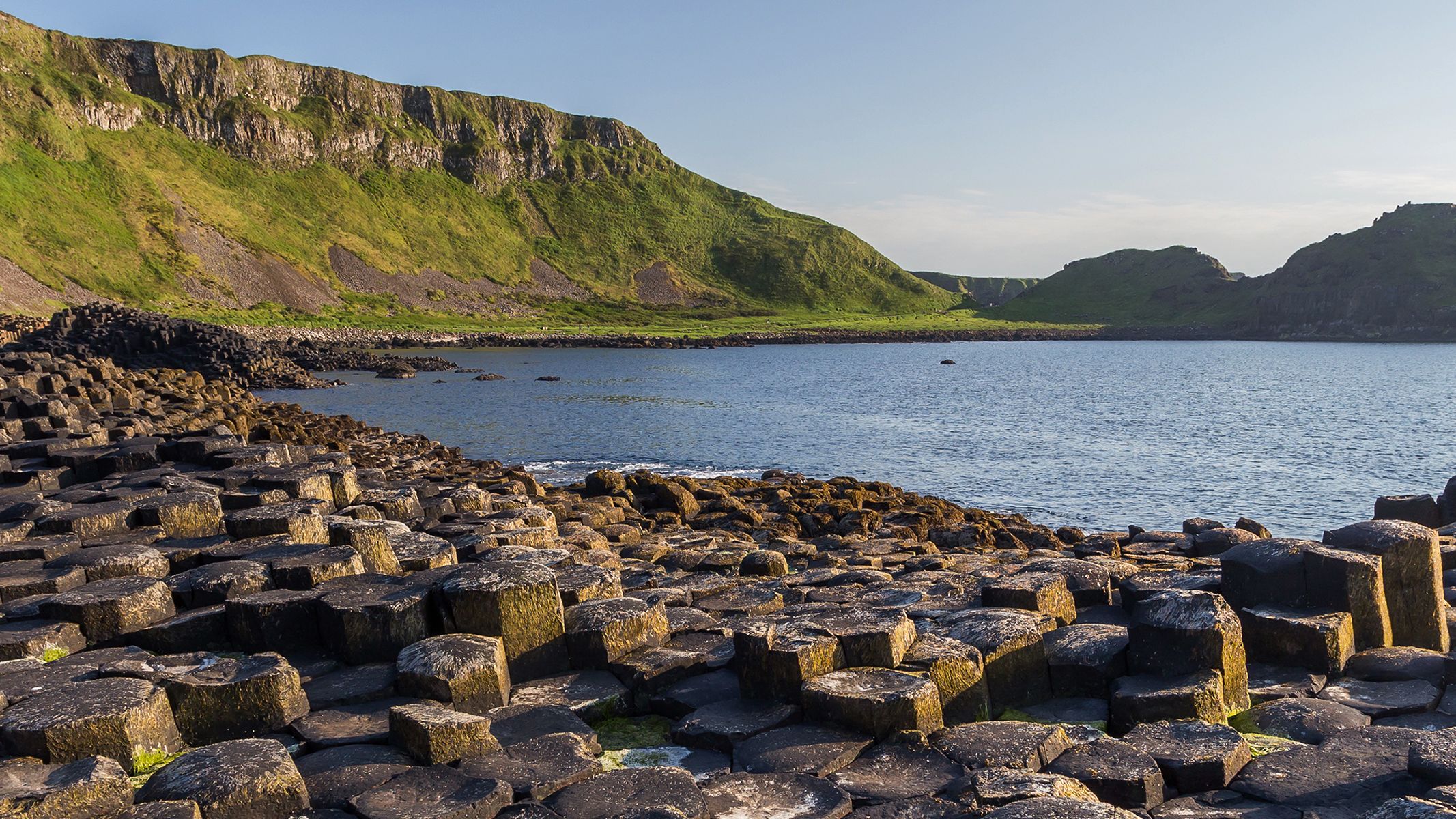
Northern Ireland’s Giant’s Causeway is a UNESCO-listed landscape of 40,000 interlocking hexagonal basalt columns formed by volcanic activity—or, according to legend, a giant’s handiwork. Walk on top of the geometric formations and along coastal paths on our Grand Tour of Ireland for one of the most unique sights in Europe.
Cliffs of Moher
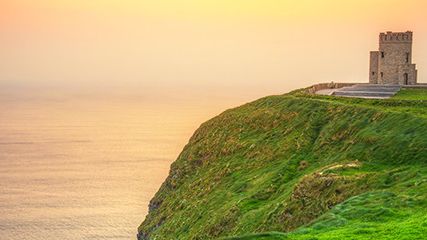
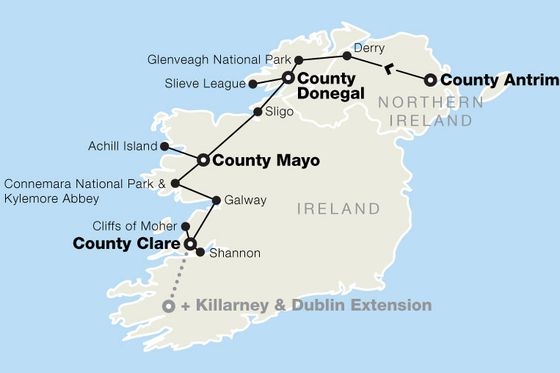
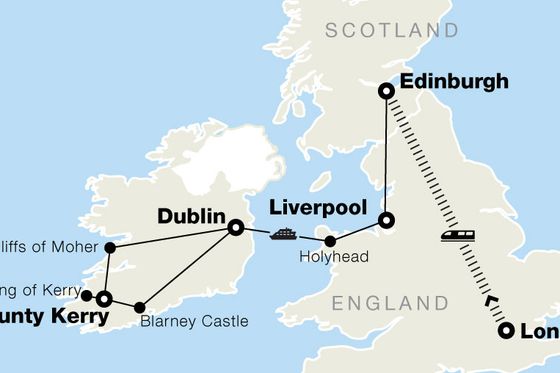
The Cliffs of Moher rise 700 feet above the Atlantic in County Clare and offer one of the most purely stunning views in Ireland. Stroll along the coastal paths, explore the visitor center, and take in sweeping views of the Aran Islands on our Ireland: The Wild Atlantic Way tour. Whether you’re a first-timer or a returning explorer, the Cliffs of Moher are one of the best places to visit in Ireland.
Blarney Castle and the Blarney Stone
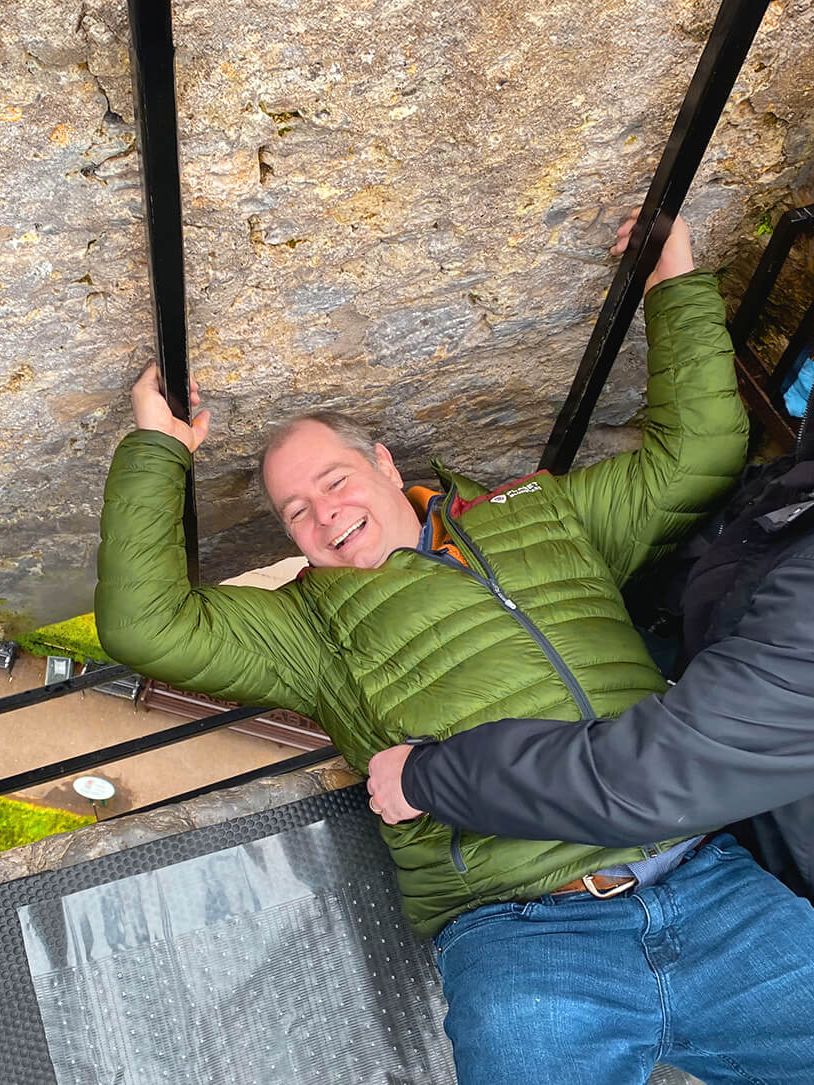
This 600-year-old fortress five miles outside Cork is where travelers come to kiss the Blarney Stone—a slab of limestone 85 feet up that supposedly grants the gift of gab. The experience of climbing a medieval tower and leaning back over a parapet is genuinely memorable. Try it on our Ireland: Traditions of the Emerald Isle tour.
St. James’s Gate Brewery
No Ireland Travel Guide would be complete without Guinness, and no Guinness experience compares to trying one where it’s been brewed since 1759. The Guinness Storehouse at St. James’s Gate in Dublin is one of Ireland’s oldest and most visited attractions. See the landmark building, tour the seven floors of exhibits, and finish with a pint at the Gravity Bar for panoramic views of the city on our Ireland for Solo Travelers tour.
Get inspired for your Ireland trip

What to eat and drink in Ireland
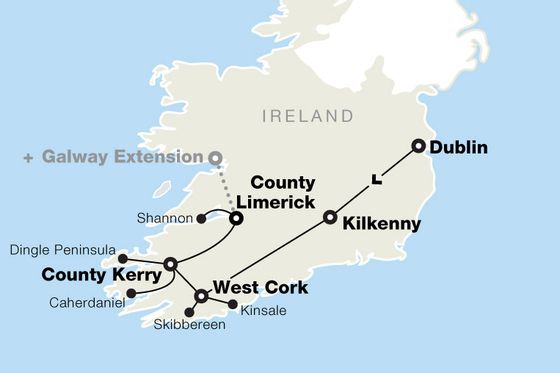
Irish cuisine has a reputation that undersells it. The country’s farm- and sea-to-table movement has produced an exceptional food scene built on grass-fed beef, fresh Atlantic seafood, artisan cheese, and world-class dairy. These are the dishes worth seeking out. For a deeper dive into traditional Irish food, join our Food of Ireland: Dublin, West Cork & County Kerry tour.
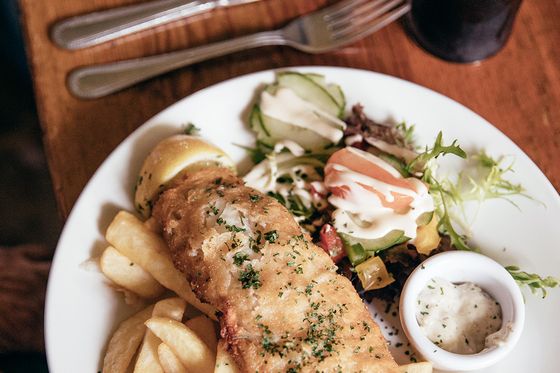
Fish and chips
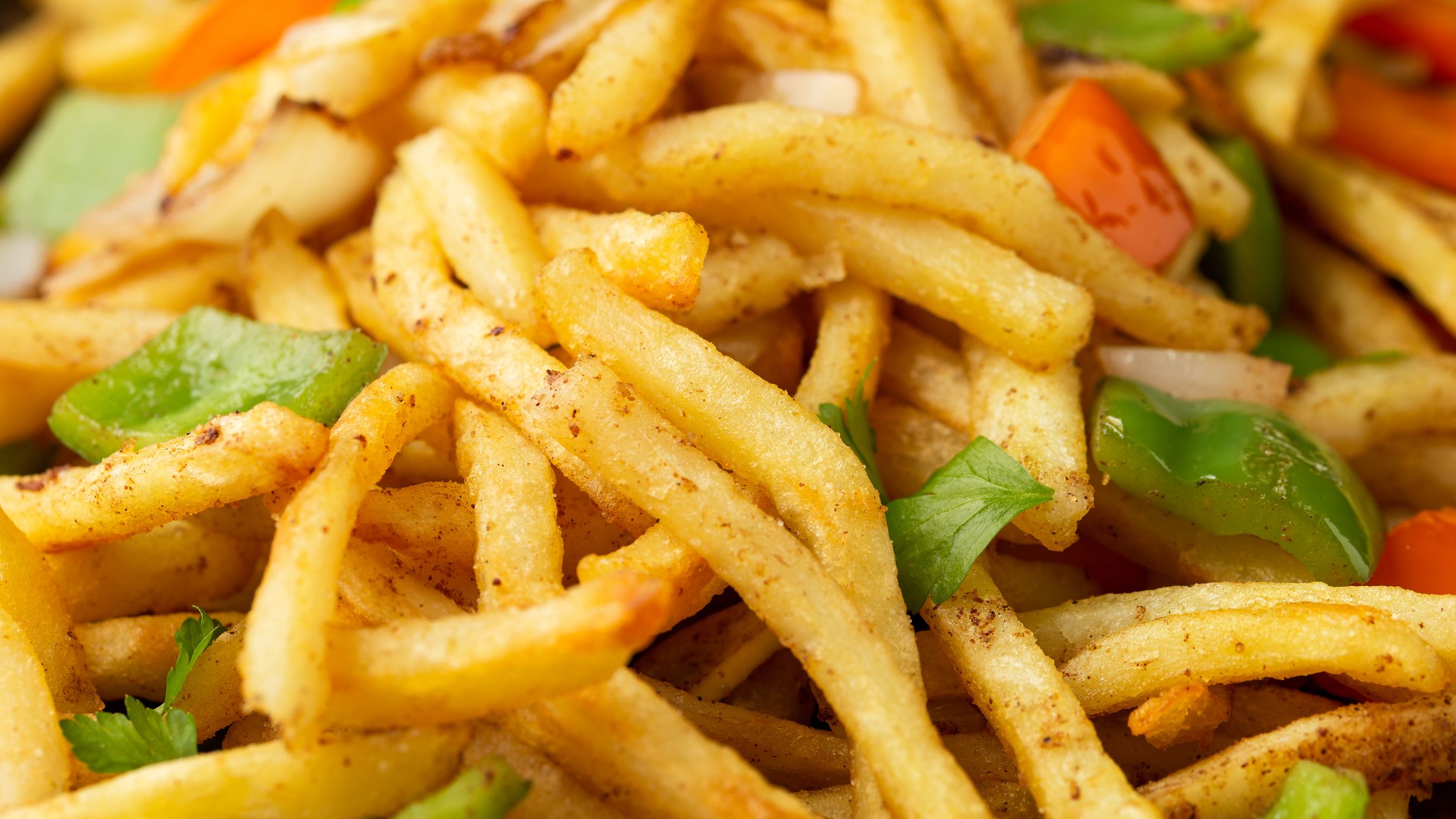
Fish and chips are a staple at seaside “chippers” and casual pubs across the country, and consist of crispy battered fish served with thick-cut chips (fries) and a side of malt vinegar. It’s simple, satisfying, and best enjoyed fresh near the coast.
Irish whiskey
Irish whiskey is triple-distilled for a lighter character than Scotch or bourbon—and the range of styles is wider than most visitors expect. Visiting a distillery is one of the best things to do in Ireland. The Teeling Distillery in Dublin is a highlight of our Food of Ireland: Dublin, West Cork & County Kerry tour. For hidden-gem distilleries off the tourist trail, see our guide to under-the-radar towns to visit in Ireland.
Irish stew
If you’re seeking traditional Irish food, it doesn’t get much better than a slow-cooked stew of lamb or beef with root vegetables. It’s warming, filling, and deeply satisfying on the kind of damp, windy evening that Ireland does exceptionally well. The best versions are found in country pubs and family kitchens rather than tourist-facing restaurants. Ask your Tour Director where the locals eat.
Fresh seafood
Ireland’s Atlantic coastline produces exceptional oysters, mussels, wild salmon, and seafood chowder. Galway is the oyster capital—the Galway International Oyster & Seafood Festival in September is one of the oldest food festivals in Europe.
Irish soda bread
Irish soda bread relies on the chemical reaction between buttermilk and baking soda rather than yeast to rise, resulting in a loaf that is similar in texture to a scone. It’s great with rich Irish butter, dipped in a Guinness stew, or smothered in jam.
)
The best things to do in Ireland
Beyond the headline sights, the best things to do in Ireland are often the ones that put you closest to Irish culture. Think: listening to a trad session in a pub, taking a drive along a clifftop road, or spending a morning at a local farm. These are the experiences that stay with travelers long after the trip.
Hear traditional Irish music
One of the most memorable things to do in Ireland is sit in on a traditional music session, or “trad session,” in a local pub. Expect fiddles, flutes, and spontaneous collaboration. Order a drink, listen, and enjoy. Our Grand Tour of Ireland includes evenings in some of the country’s best music towns.
Drive along the Wild Atlantic Way
True to its name, this winding, 1,550-mile route along Ireland’s western coastline is rugged and untamed, but the Wild Atlantic Way has more than just scenic views. Between the sea cliffs and surf beaches are fishing towns, medieval ruins, and charming communities. There are so many reasons to love the Wild Atlantic Way, and you can experience them all on our Ireland: The Wild Atlantic Way tour.
Visit a working farm
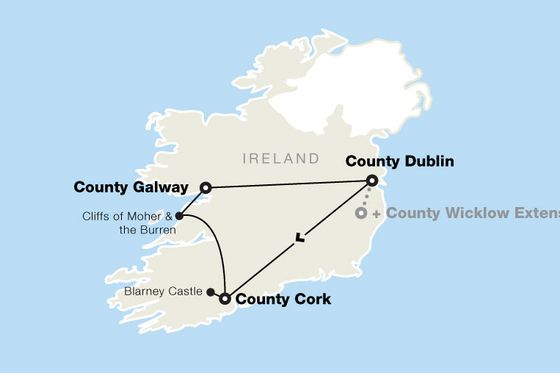
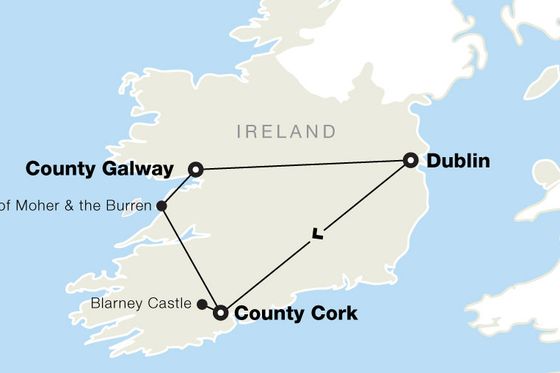
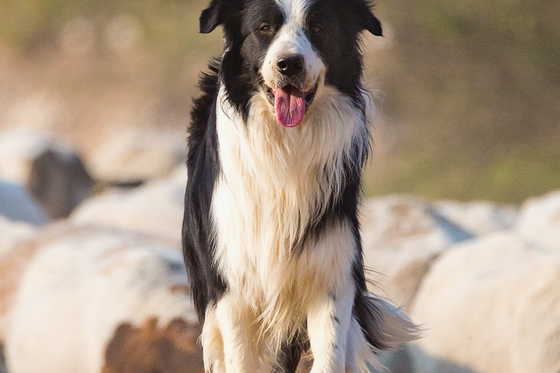
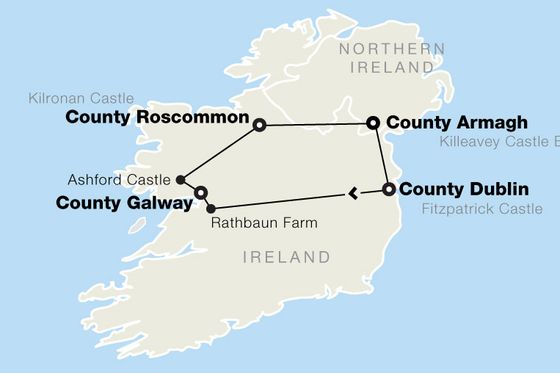
Ireland’s agricultural traditions run deep, and few things are more memorable than a working farm visit. Watch sheepdogs manage a flock in County Wicklow on our A Week in Ireland: Dublin, Cork & Galway tour, or visit an organic West Cork farm and take a cheesemaking class on our Food of Ireland: Dublin, West Cork & County Kerry tour.
Travel around the Ring of Kerry
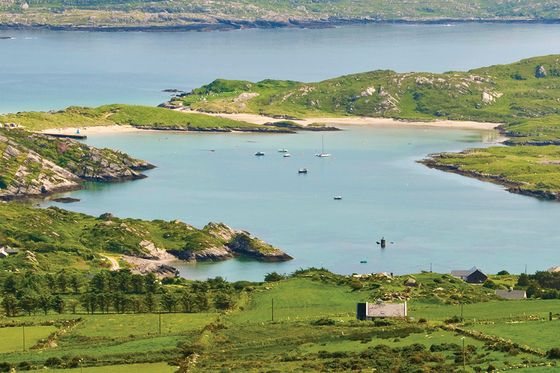
The Ring of Kerry is a 112-mile coastal route that winds through mountain passes, along rugged coastlines, and into Killarney National Park. Tucked among the park’s mountains and lakes is Muckross House, a 19th-century Victorian mansion and open-air museum. It’s a focal point of our Grand Tour of Ireland and Ireland: Traditions of the Emerald Isle tour.
Take an Irish language lesson
Irish Gaelic is still spoken as a first language in communities along Ireland’s western coast. Learning a few words gives you a genuine window into a culture that’s more than a thousand years old. Our Ireland: The Wild Atlantic Way tour includes an Irish language lesson as part of the experience—one of the most distinctive things to do on any Ireland itinerary.
Browse our best-selling Ireland tours
)
Souvenirs to buy in Ireland
Ireland is known for craftsmanship, and the best souvenirs reflect that tradition. Look for locally made goods—wool, jewelry, food, and spirits—that carry a sense of place and will last long after your trip ends.
Irish whiskey
A bottle of Irish whiskey makes an excellent souvenir, particularly if you buy something from a smaller distillery or a limited release that isn’t widely available at home. Many of Ireland’s newer craft distilleries produce expressions worth seeking out beyond the big names.
Aran wool sweaters
The traditional hand-knit wool sweaters from the Aran Islands are one of Ireland’s most enduring craft traditions. Also known as fishermen sweaters, they’re a symbol of Irish heritage that’s as warm and rugged as the country itself. Pick one up on the Aran Islands excursion offered on our Ireland: Traditions of the Emerald Isle tour.
Irish tea and tea sets
Ireland is a nation of serious tea drinkers, and the teas sold here (particularly Barry’s Tea from Cork and Bewley’s from Dublin) are different from what you’ll find in a supermarket at home. A box of proper Irish tea is lightweight, affordable, and brings the memory of an Irish breakfast back home with you. Pick up a traditional ceramic tea set, too, for an even more substantial souvenir.
Claddagh rings and Celtic jewelry
The Claddagh ring—two hands holding a crowned heart—originated in the fishing village of Claddagh in Galway and has been given as a symbol of love and friendship for centuries. (It’s one of our favorite Irish legends!) Celtic knotwork jewelry, with its interlocking patterns drawn from ancient Irish manuscript art, is equally distinctive.
Waterford Crystal
Waterford Crystal has been produced in Ireland since 1783 and remains one of the country’s most recognized craft traditions. A single piece makes a lasting souvenir with real heritage behind it. Pick yours out when you visit the House of Waterford on our Grand Tour of Ireland.

What to pack for a trip to Ireland
Packing for Ireland means preparing for variety. Weather can shift quickly, especially along the coast, so comfort comes down to layers, waterproof gear, and practical footwear that can handle both city streets and countryside walks.
A travel umbrella
A compact, wind-resistant umbrella is essential. Ireland’s rain is often light but persistent, and coastal winds can turn a flimsy umbrella inside out in seconds. Collapsible versions are small enough to fit in a day pack, so you’ll always have one on hand when the weather changes.
Layers
Ireland’s weather can keep you guessing. You might experience multiple seasons in a single day—a wind-whipped morning, a blue-sky afternoon, a downpour at night—so pack lightweight clothing that’s easy to layer and wicks moisture.
Small daypack or crossbody bag
If you’re wondering, “Is Ireland safe?” the answer is yes, but any major city attracts pickpockets. A hands-free bag keeps your belongings secure and is ideal for a tour of Ireland’s mix of coastal walks, city sightseeing, and day trips. You’ll want space for a water bottle, a light layer, a camera, and any market finds that you pick up along the way.
Waterproof jacket
The single most important thing to pack for a trip to Ireland is a packable, waterproof outer layer to handle the damp, wind-driven rain that comes in off the Atlantic. It will keep you comfortable on drizzly mornings, clifftop walks, and coastal drives.
Comfortable walking shoes
A lot of Ireland is best explored on foot, and cobblestone city streets, coastal walking trails, and castle grounds all require footwear with real grip and support. Broken-in walking shoes or hiking boots with a waterproof lining are ideal.
Ready to visit Ireland?

Ireland travel FAQs
Traveler photos from Ireland