24 of the best things to do in Paris if you love history
Step into centuries of French history with our guide to the best things to do in Paris, from seeing its icons to exploring its hidden corners.

Paris wears its history in plain sight. Cobblestones worn smooth by revolutionaries, cafes where legendary writers nursed a coffee for hours, cathedrals that have outlasted kings—the City of Light is a living timeline. This guide applies that lens to the question every traveler asks first: What are the best things to do in Paris? Keep reading to discover the iconic landmarks, storied neighborhoods, world-class museums, charming cafes, and time-worn corners you won’t want to miss, whether it’s your first trip to Paris or your fifth.

What are the best things to do in Paris?
Paris rewards travelers chasing both bucket list icons and centuries of layered history. Start with the Eiffel Tower for sweeping views and a secret apartment tucked near its top. Next, head to the Louvre, a former royal fortress that’s now home to the “Mona Lisa,” then Notre-Dame Cathedral, whose construction began in the 1100s. The cathedral reopened in 2024 after a major fire, and restoration work continues. The Palace of Versailles shows the French monarchy at its most extravagant, while the Latin Quarter carries centuries of student life and literary lore. For something different, descend into the Paris Catacombs, where an estimated 6 million people rest beneath the city streets.

Here are 24 of the best historical things to do in Paris
1. Visit the Louvre and see the Mona Lisa up close
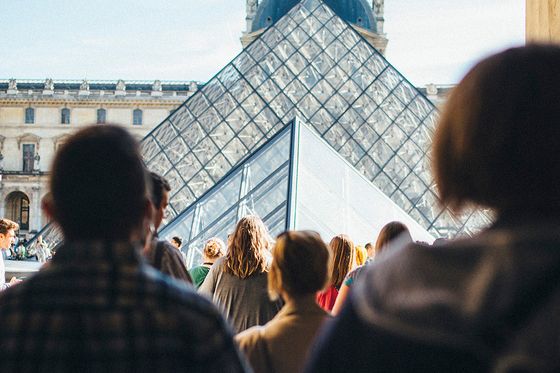
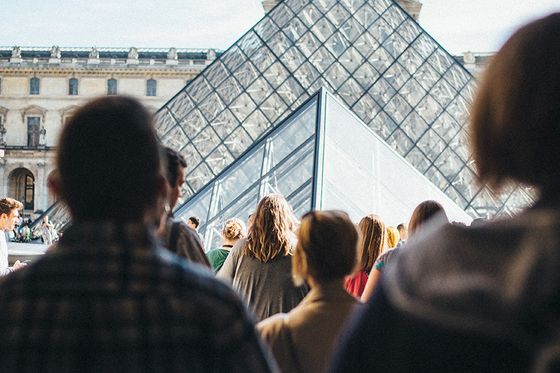
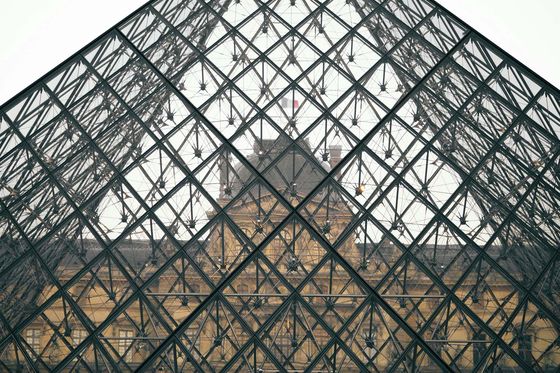
If you’re wondering what to do in Paris, visiting the Louvre is a must. The Louvre was a 12th-century fortress before Kings Francis I and Louis XIV transformed it into a royal palace fit for treasures like da Vinci’s “Mona Lisa” and the “Venus de Milo.” Today it holds nearly half a million works across 18 acres of galleries, making it one of the most rewarding—and formidable—places to visit in Paris. Download a map ahead of time and prioritize a handful of favorites rather than trying to see it all. For visitors going on their own, timed-entry tickets are required, and an early-morning or evening visit means fewer crowds between you and its masterpieces. On our Paris tours that include a Louvre visit, we’ll take care of the logistics for you.
2. Explore Place de la Bastille and learn about the French Revolution
This is sacred ground for Parisians. Though the medieval Bastille fortress no longer stands, its storming on July 14, 1789, ignited the French Revolution and remains one of the most significant moments in French history. You can still glimpse the prison’s foundations in the underground Bastille metro station. Pair your visit with a walk through the nearby Marais district. Its centuries-old buildings and narrow lanes make for an easy, atmospheric next stop on your Paris sightseeing tour.
3. Admire the stained glass of medieval Sainte-Chapelle
Louis IX commissioned this Gothic gem in the 1200s to house his collection of holy relics, including the crown of thorns. The relics are gone, but the soaring stained-glass windows remain, depicting over 1,000 biblical scenes across nearly 6,500 square feet of glass. On sunny days, light pours through in a kaleidoscope of color. Security lines can run long, so if you plan to visit during your free time on our A Week in Paris tour, book timed tickets ahead where available and arrive early to make the most of your visit.
)
4. Experience Paris cafe culture at historic sidewalk spots
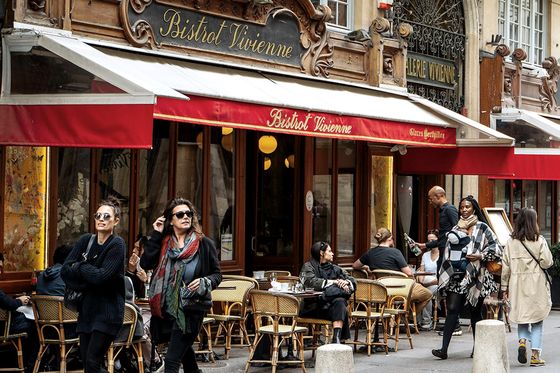
Parisian cafes have hosted artists, writers, and revolutionaries for centuries, and stepping into one today means joining a tradition that predates the Eiffel Tower. Historic spots like Cafe de Flore and Les Deux Magots have kept their old-world charm even as the crowds have grown. Slow down, order an espresso, and people-watch like a local—it’s one of the most quintessential things to do in Paris. Many of the city’s most storied cafes remain open daily, so build in unhurried time to simply sit, relax, and plan what to do in Paris next.
5. Visit the Pantheon and see Foucault’s famous pendulum
Commissioned in the 1750s as a church and later transformed into a mausoleum, the Pantheon has a neoclassical dome that is one of the most recognizable shapes on the Paris skyline. Inside its crypt rest some of France’s greatest minds, including Voltaire, Rousseau, and the Curies. Upstairs, a working replica of Foucault’s original 1851 pendulum still demonstrates Earth’s rotation. Climb the more than 200 steps to the dome for panoramic views, but check seasonal access before you go, since dome hours can vary.
6. Dine at Chez Paul and step back into Belle Epoque Paris
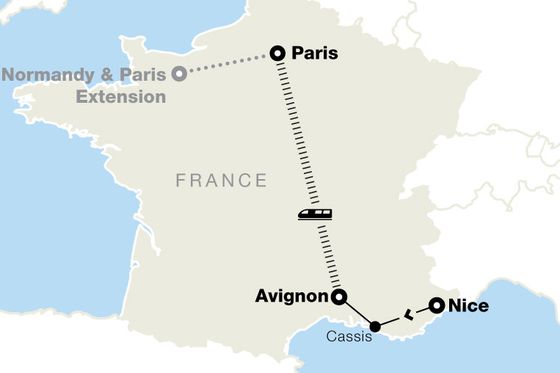
Tucked in the Bastille district at 13 Rue de Charonne, this bistro has served traditional, homemade French cuisine since 1900. Its unchanged architecture and old-world ambiance have made it a favorite of artists and writers for more than 100 years, and its dining room still feels frozen somewhere around the turn of the last century. Try a classic French comfort dish and soak in the atmosphere. Considering a trip like our A Week in France: The Riviera, Provence & Paris tour? Make a reservation for your free time (and be sure to confirm its current booking policy before your visit).

7. Browse Shakespeare and Company and follow literary legends
This English-language bookshop opened in 1951 and was later named in honor of Sylvia Beach’s original store, which was a gathering place for Lost Generation writers. It remains one of Paris’ most beloved literary landmarks. Wander its creaky floors and cozy reading nooks to feel that literary legacy. If you buy a book, staff will stamp it with the shop’s insignia, a small souvenir of literary Paris. Expect crowds during peak travel season, so budget extra time to browse without rushing.
Discover more of Hemingway’s favorite spots in Paris.
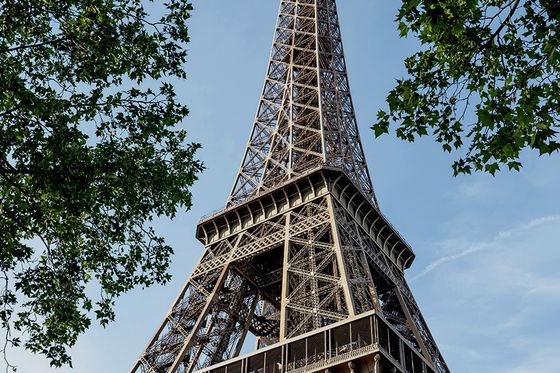
8. See Gustave Eiffel’s secret apartment inside the Eiffel Tower
Built for the 1889 World’s Fair and originally derided by critics as an eyesore, the Eiffel Tower is now the most recognizable symbol of Paris. Near the top, Gustave Eiffel built himself a small private apartment, a detail most first-time visitors never learn. You can’t step inside, but you can peek through the window on a summit visit. Because access levels and reservation requirements shift seasonally, book your tickets well in advance to secure the view—and the secret—you’re after.
9. Dine at La Closerie des Lilas and walk in Hemingway’s footsteps
This Montparnasse brasserie was a favorite haunt of Hemingway, who wrote much of “The Sun Also Rises” here, and the Fitzgeralds, among other Lost Generation legends. Small plaques mark the tables and barstools once claimed by famous patrons. Pair a meal here with a literary-themed walk through Montparnasse, tracing the streets that shaped 1920s Paris. Reservations are recommended, particularly for dinner, and the terrace makes an especially memorable spot to while away an evening with new friends you’ll make on our France for Solo Travelers: Paris, Provence & the Riviera tour.

10. Explore Ile de la Cite and discover the birthplace of Paris
Considered the historic nucleus of the city, Ile de la Cite is home to some of Paris’ oldest landmarks, including Notre-Dame Cathedral and Sainte-Chapelle. Cross Pont Neuf, the city’s oldest surviving bridge, for a classic photo opportunity, especially after dark when it’s illuminated. At the island’s tip, the lawns of Square du Vert-Galant offer a quiet escape from the crowds along the Seine. Restoration work continues in some areas of the island, so check current access before planning your route.
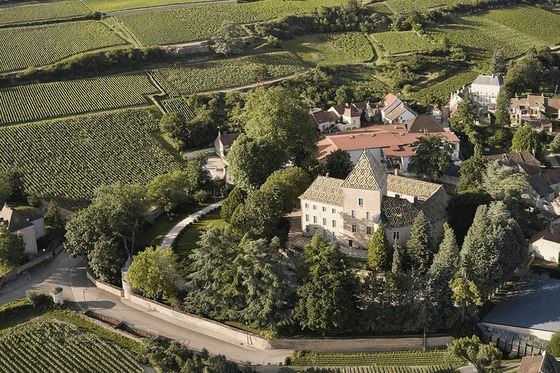
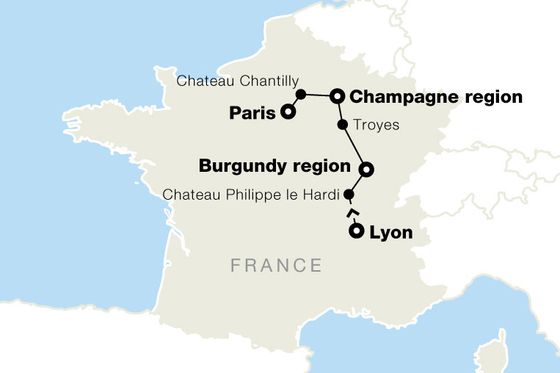
On our Food & Wine of France: Burgundy, Champagne & Paris tour, you’ll spend time exploring the island before enjoying an included baking class.
11. Admire Notre-Dame Cathedral and its Gothic architecture
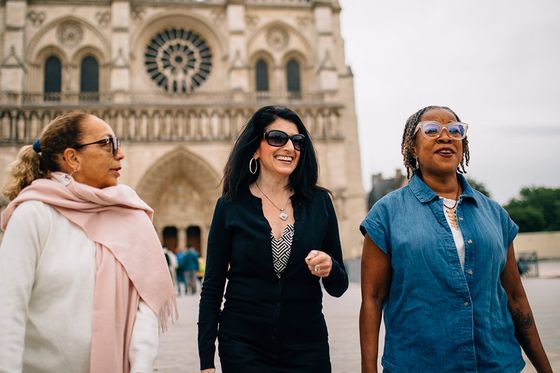
Dating to the 12th century, Notre-Dame Cathedral remains one of the most iconic landmarks in France and a defining example of Gothic architecture. Its flying buttresses, rose windows, and soaring towers have watched over Paris for nearly 900 years. Take time to appreciate both the exterior stonework and the interior spaces, which reflect centuries of restoration and resilience. Reopening details and visitor procedures have evolved recently, so verify current reservation guidance if you plan to visit during your free time.
12. Visit Musee d’Orsay and see Impressionist masterpieces in a historic train station
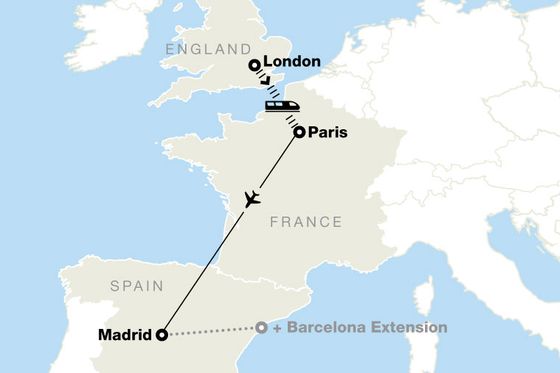
Housed in the former Gare d’Orsay, a Beaux-Arts railway station completed for the 1900 World’s Fair, Musee d’Orsay pairs architectural grandeur with the largest Impressionist collection in the world. Its iconic iron-and-glass barrel-vaulted ceiling frames works by Monet, Van Gogh, Degas, and Renoir. Don’t miss the famous views through its glass clock faces. If you plan to explore while on a trip like our London, Paris & Rome tour, keep in mind that timed-entry tickets can help you avoid long waits, especially during peak season.
)
13. Wander Pere Lachaise Cemetery and visit famous graves
Established in the early 19th century, Pere Lachaise is Paris’ largest cemetery and one of the most visited in the world, drawing more than 3 million visitors a year. Chopin, Moliere, and Proust rest here, but it’s Oscar Wilde and Jim Morrison who draw the biggest crowds—Wilde fans famously left lipstick kisses on his grave. Pick up a cemetery map to navigate the winding paths efficiently, and wear comfortable walking shoes, since the grounds cover more than 100 acres.
Discover more Paris hidden gems: top attractions you won’t find on a postcard.
14. Ride up the Eiffel Tower and take in centuries of Paris history
Beyond Eiffel’s secret apartment, a ride to the tower’s upper levels rewards you with sweeping views of the Seine, Notre-Dame, Sacre-Coeur, and the Louvre—a bird’s-eye tour of Paris history in a single glance. Built for the 1889 World’s Fair to mark the centennial of the French Revolution, the tower was never meant to be permanent, yet it has become the city’s most recognizable symbol. Visit around sunset for the most dramatic light, and reserve tickets well ahead, since summit access sells out quickly.
15. Follow Hemingway’s Paris through the streets of the Left Bank
Published three years after his death, Hemingway’s “A Moveable Feast” is a love letter to 1920s Paris and the Lost Generation who called it home. Many of the places he wrote about still stand today, including La Closerie des Lilas. Pair a self-guided walking route through the Left Bank with a copy of the book in hand, tracing the cafes, bookshops, and boulevards that shaped his writing. It’s one of the most atmospheric ways to experience literary Paris on foot. Our Off-Peak France: Paris & the French Riviera tour will allow you a little extra elbow room as you explore.
Find the Paris tour you’ll want to say “oui!” to

16. Stroll Rue Cremieux and see one of Paris’ most colorful historic streets
This cobblestoned residential street dates to the 19th century, when it was built as workers’ housing, and today it’s known for its rainbow of pastel facades. Rue Cremieux has become one of the most photographed corners of Paris, though it remains a quiet, lived-in neighborhood. Visit respectfully, since real Parisians call this street home, and check current local guidance on photography, as rules have tightened in response to crowds. Go early for the best light and the fewest tourists.
Check out our Paris Travel Guide for more tips about visiting the City of Light.
17. Explore Place de la Concorde and trace the French Revolution
Paris’ largest and most historically charged square sits at the end of the Champs-Elysees, anchored by the 3,300-year-old Luxor Obelisk and two grand fountains. During the French Revolution, Place de la Concorde served as an execution site, where Louis XVI and Marie Antoinette met the guillotine. Combine your visit with a stroll through the adjacent Tuileries Garden to link several historic landmarks in one outing. The square and its surrounding sights are easily explored on foot within an hour.
18. Enjoy a traditional Parisian picnic in the Luxembourg Gardens
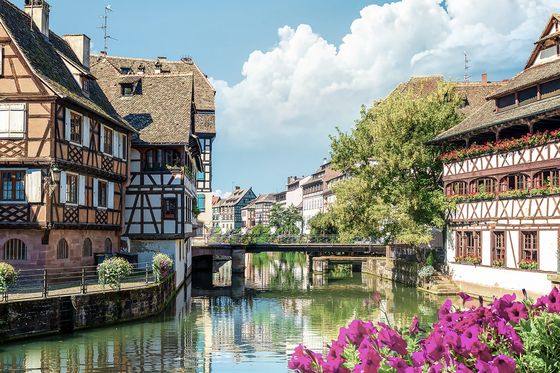
Commissioned in the 1600s by Marie de Medici, Luxembourg Gardens remains one of Paris’ most beloved green spaces, with manicured lawns, a grand fountain, and the Luxembourg Palace, now home to the French Senate. Stop for a look around during an included guided sightseeing tour on our Paris, Alsace & the French Alps tour. If you want to while away a slow afternoon on our A Week in Paris tour, pick up pastries or picnic supplies from a nearby bakery and settle onto the lawn like generations of Parisians before you. Seasonal blooms and outdoor activities like sailboat rentals on the central pond make it worth a return visit no matter when you’re in town.

19. Visit the Palace of Versailles and walk through the Hall of Mirrors
Once the residence of French monarchs, Versailles remains a symbol of royal power and extravagance that outlived three kings and a revolution. The Hall of Mirrors, lined with 357 mirrors, served as the ceremonial passageway used by the king and royal family en route to the chapel. Outside, the 230-acre gardens include a Grand Canal commissioned by the Sun King, where boat rides are still available. Plan a full day for the palace and grounds, and reserve tickets well in advance for a visit during your free time.
20. Descend into the Catacombs of Paris beneath the city streets
This underground ossuary holds the remains of an estimated 6 million people, most relocated here from overcrowded cemeteries starting in the late 1700s. The catacombs served as a hideout for French Resistance fighters during World War II, and guided tours through the passageways have drawn curious visitors since the 1800s. Expect narrow corridors, dim lighting, and plenty of stairs, so wear sturdy shoes. This is one of the best things to do in Paris, so book a timed ticket in advance—they often sell out.
21. Visit Napoleon’s tomb at Les Invalides
Louis XIV built this grand complex to house wounded and aging soldiers, and at its peak it sheltered more than 4,000 residents. Today, the gilded dome marks the final resting place of Bonaparte, and the complex houses the Musee de l’Armee, one of the world’s largest military history museums. History buffs can easily spend a half day exploring the collections after paying respects at the tomb. Look into combined ticket options if you plan to visit other nearby sites the same day.
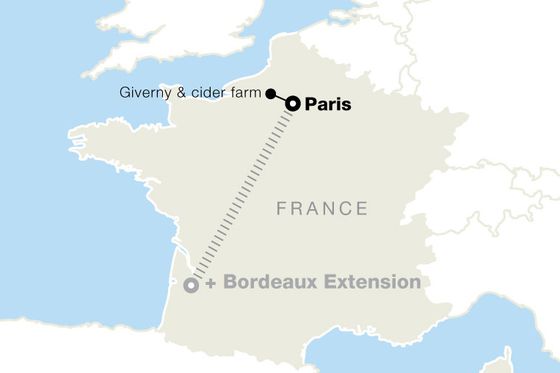
Book the Paris extension on our Food & Wine of France: Burgundy, Champagne & Paris tour and you’ll have an entire day free to spend here as you please.

22. Discover Nicolas Flamel’s house and see Paris’ oldest stone home
Built in 1407, this is believed to be the oldest surviving stone house in Paris, constructed by the alchemist Nicolas Flamel, who was said to have uncovered the secret of turning ordinary metals into gold. Fans of “Harry Potter and the Sorcerer’s Stone” may recognize the name—J.K. Rowling borrowed it for her own fictional alchemist. The building’s facade is best appreciated from the street, so pair a look here with a walking tour of the surrounding medieval Marais neighborhood.
23. Walk through the Tuileries Garden and experience royal Paris
Once the grounds of the Tuileries Palace, this formal garden now links several of Paris’ most important landmarks, from the Louvre to Place de la Concorde. Stop to admire the sculptures, fountains, and shaded seating areas that have drawn Parisians for strolls since the 1600s. Seasonal events, from a summer funfair to temporary art installations, add fresh reasons to return throughout the year. It’s an easy, flat walk, making it a relaxing pause between more demanding sightseeing stops.
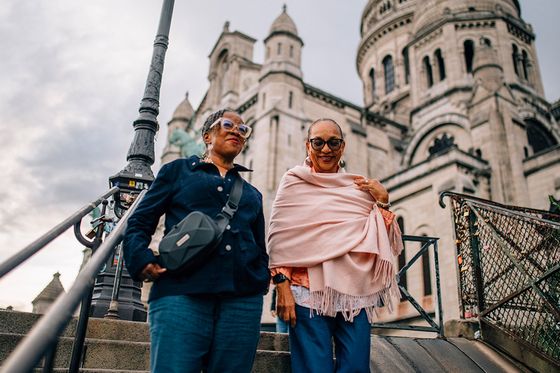
24. Explore Montmartre and step into the Paris of artists and bohemians
This hilltop neighborhood once housed Picasso, Toulouse-Lautrec, and countless other artists during the Belle Epoque, and its winding, cobbled streets still carry that bohemian spirit. Beyond the crowded Place du Tertre, quieter lanes reveal ivy-covered facades and neighborhood cafes far from the tourist bustle. Sacre-Coeur’s white dome crowns the hill, and while access is generally easy, expect crowds near the basilica during peak hours. Wander a few streets farther for a calmer, more local pace.
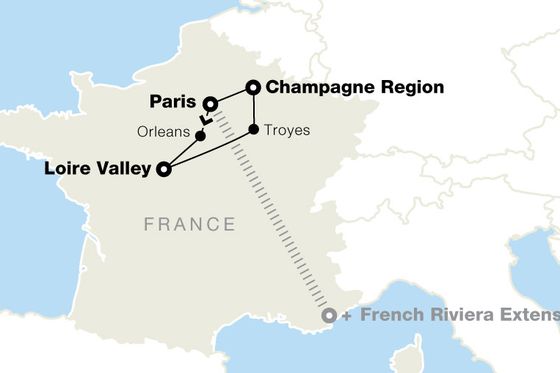
Spend a free day in Paris exploring the neighborhood on our France for Women: Paris, Loire Valley & Champagne Region tour exploring the neighborhood.

How many days in Paris does it take to see these attractions?
Most travelers need four to five days in Paris to comfortably see top attractions like the Eiffel Tower, the Louvre, Notre-Dame Cathedral, and Montmartre, with time left for a leisurely cafe stop or two. If you only have two or three days, focus on Paris’ most iconic landmarks and one historic neighborhood, such as the Latin Quarter or the Marais.
With a week or more, add a day trip to Versailles, descend into the Catacombs, and explore lesser-known historic sites like Rue Cremieux or Nicolas Flamel’s house.

How to plan visits to popular Paris attractions
Reserving ahead and grouping by neighborhood turn a long list of must-sees into a manageable, enjoyable itinerary you can make the most of during your free time on tour.
Reserve timed-entry tickets in advance. The Louvre, Sainte-Chapelle, the Eiffel Tower, and the Catacombs all sell out, especially in peak season. Book online a few weeks ahead where possible.
Group attractions by neighborhood. Pair Notre-Dame with Sainte-Chapelle on Ile de la Cite, or combine Place de la Concorde with the Tuileries Garden, to cut down on transit time and cover more ground on foot.
When you choose a guided tour with us, a knowledgeable guide will unlock context and access—like skip-the-line entry or stories you won’t find on a placard—at landmarks such as Versailles or the Catacombs.

FAQs
Emily loves the simple travel moments—like watching hours pass by in minutes while sharing a meal and a laugh (or many) with her friends and family. Outside the office, you'll find Emily listening to anything and everything John Mayer, attempting to cook a New York Times recipe, or dreaming up her next trip.




)