The best things to do in Cork, Ireland
From Blarney Castle and the English Market to Kinsale and Cobh, here are the best things to do in Cork, Ireland, on your next trip.

Cork is Ireland’s second-largest city, sitting at the heart of the country’s largest county. We consider it one of the most rewarding places to visit in Ireland because it’s a destination where medieval castles meet Atlantic coastline, world-class markets, and a food culture that gives Dublin a run for its money. This guide covers the best things to do in Cork, Ireland, from visiting Blarney Castle and the English Market to exploring Kinsale, Cobh, and the wild peninsula of West Cork. Read on for our top tips and to find out how to see Cork’s highlights with us on a tour of Ireland.

Why Cork belongs on your Ireland itinerary
What makes Cork, Ireland, worth visiting
Cork has a reputation in Ireland: fiercely independent, deeply proud, and more authentically Irish-feeling than cities that attract bigger tourist crowds. The “Rebel County” nickname dates to Cork’s prominent role in the Irish War of Independence, and that spirit runs through everything from its food culture to its music scene. It’s also one of the best-positioned counties in Ireland for variety: medieval castles and coastal forts, harbor towns with excellent restaurants, remote peninsulas with wild walking trails, and a city center compact enough to explore properly in a day. According to our Ireland Travel Guide, Blarney Castle and the Wild Atlantic Way rank among the top things to see in Ireland—and Cork is your gateway to both.
What you’ll experience in Cork on tour
- Rich cultural heritage: From St. Fin Barre’s Cathedral to Blarney Castle and Skibbereen’s famine history, Cork’s landmarks and stories come alive with context from your Tour Director.
- Gateway to iconic attractions: Cork-inclusive itineraries typically include Blarney Castle, Kinsale, Cobh, and access to the Wild Atlantic Way.
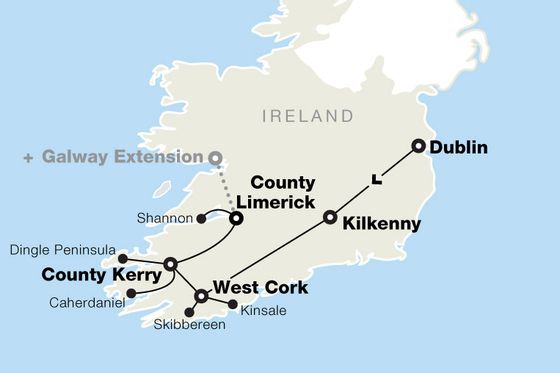
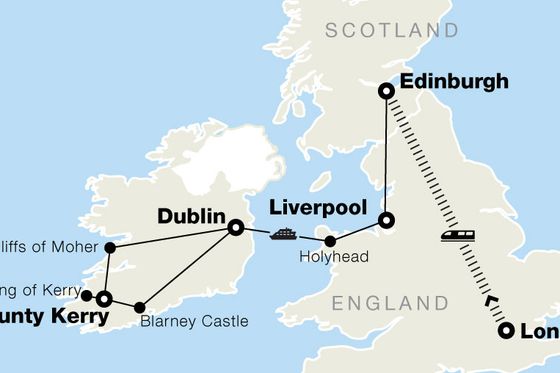
- Vibrant food and drink scene: Cork is widely considered the culinary capital of Ireland, home to artisan markets, outstanding local produce, traditional pubs, and a growing food scene that you can explore on our Food of Ireland: Dublin, West Cork & County Kerry tour.
- Authentic local atmosphere: Cork feels genuinely less touristy than Dublin, and joining a tour of Cork with a knowledgeable Tour Director helps you find the places locals actually love.

Visit the English Market
What can you find at the English Market?
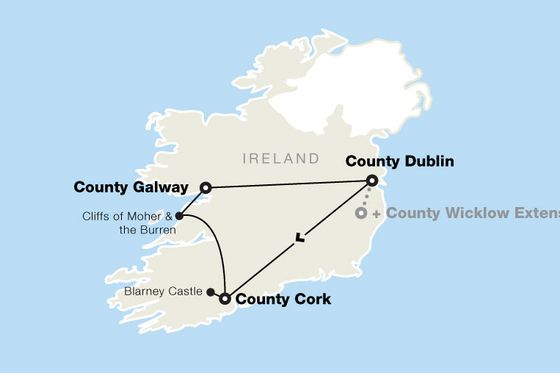
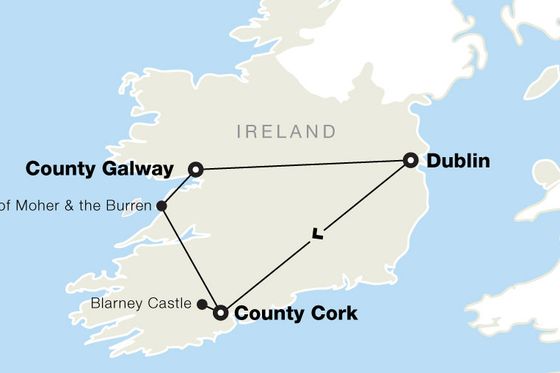
One of the oldest covered markets in Europe, the English Market has operated continuously in Cork’s city center since 1788. Here, independent stallholders sell artisan cheeses, locally smoked fish, spiced beef, freshly baked bread, and produce from farms across the county, making it the single best place to get to know Cork’s food culture. It’s a working market (not a tourist attraction), and it feels like one. You’ll stop here on our A Week in Ireland: Dublin, Cork & Galway tour with time to explore, eat, and browse independently.
Tips for exploring the English Market in Cork
- Arrive early for the best selection: Mornings offer the freshest produce and a more relaxed atmosphere. Stallholders are also more likely to have time to chat and offer recommendations.
- Try local specialties: Look for drisheen (local blood pudding), spiced beef (a cured brisket unique to Cork), and Gubbeen cheese from West Cork—all Cork originals worth asking vendors about.
- Grab a bite at a market cafe: The Farmgate Cafe on the mezzanine level overlooks the market floor and serves excellent traditional Irish food. For something quicker, stalls sell fresh oysters, specialty coffee, and warm pastries.
- Allow time to browse: Don’t just go for a quick bite. The market is ideal for picking up edible souvenirs like local preserves and artisan chocolate that travel well and taste distinctly like Cork.

Kiss the Blarney Stone at Blarney Castle
What is the legend of the Blarney Stone?
Blarney Castle is one of the most iconic places to visit in Cork County, and the reason is a single slab of limestone set into the battlements 85 feet above the ground. According to legend, anyone who kisses the Blarney Stone receives Ireland’s famed “gift of gab,” the power of eloquent, persuasive speech. The tradition has been drawing visitors for centuries, and whatever your feelings about ancient Irish magic, the experience of climbing to the top of a 15th-century tower fortress and leaning back over the parapet to kiss a stone is genuinely memorable. It’s one of the top things to do in Ireland with a group and a highlight of our A Week in Ireland: Dublin, Cork & Galway tour.
What else can you explore at Blarney Castle?
- Blarney Castle gardens: The grounds around the castle include a poison garden (planted entirely with toxic species), a rock close (a collection of ancient stone formations with Druidic associations), and a lush fern garden.
- Castle history and architecture: The medieval tower, dungeons, and battlements offer a genuine sense of 15th-century Irish fortification (and the views from the top are excellent).
- Blarney Woollen Mills: A short walk from the castle, the Woollen Mills carry an extensive range of Irish woolens, knitwear, and crafts—making this spot one of the better places in Ireland to shop for quality souvenirs.
Accessibility considerations: Kissing the Blarney Stone requires climbing more than 100 narrow spiral stairs and leaning backward over a parapet (with the help of a staff member), but the gardens and exterior remain easy to enjoy without going up.

Explore the historic town of Kinsale
Why is Kinsale worth a visit?
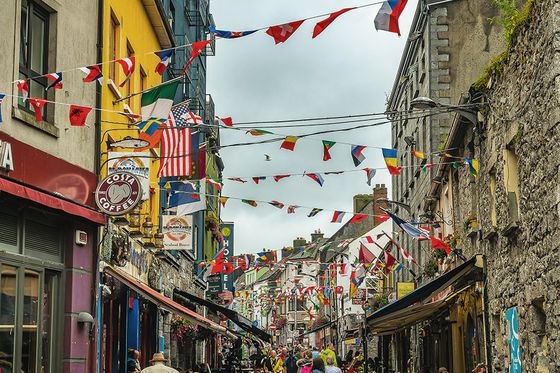
Kinsale (one of the best day trips from Cork City) is worth visiting for its harbor views, exceptional food scene, and unmistakable charm. It’s often considered one of the prettiest places to visit in Cork and boasts some of the best seafood in Ireland. Pastel-colored buildings tumble down to a sparkling harbor, narrow lanes lead to galleries and boutiques, and the restaurants here have built a reputation that draws food lovers from across Ireland. Visit Kinsale on the An Evening in Kinsale excursion on our A Week in Ireland: Dublin, Cork & Galway tour, or experience it as a dedicated food stop on our Food of Ireland: Dublin, West Cork & County Kerry tour (which includes a visit to Kinsale Mead Co., Ireland’s first new meadery in more than 200 years).
Things to do in Kinsale
- Stroll along the colorful streets: Kinsale is genuinely photogenic in a way that rewards wandering without a plan. The harbor front, narrow lanes of the Old Town, and painted shopfronts all make for excellent exploring.
- Visit Charles Fort: This 17th-century, star-shaped fort was specifically designed to withstand cannon fire. It offers panoramic views of the harbor and is one of the best-preserved examples of military fortification in Ireland.
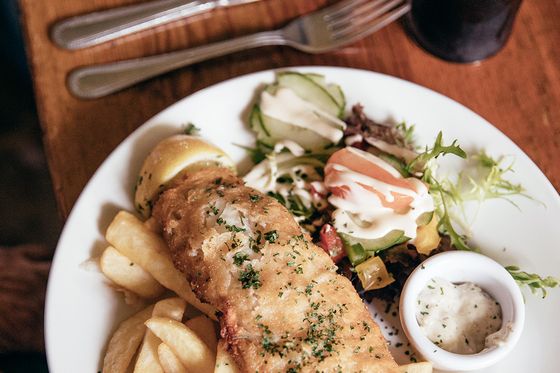
- Enjoy fresh seafood: Kinsale has earned its reputation as one of Ireland’s food capitals, with outstanding seafood restaurants, cozy pubs, and menus built around the day’s catch. Expect oysters, mussels, chowder, and locally landed fish.
- Take a harbor walk: The coastal path along the harbor and out toward Charles Fort offers easy walking with excellent views. It’s one of the most pleasant stretches of scenery in County Cork.
Browse our favorite tours that visit Cork

Tour historic Cobh and its Titanic connection
What is Cobh’s connection to the Titanic?
Cobh (pronounced “cove”) is a short 15-mile drive east of Cork City. It’s a small harbor town on Great Island in Cork Harbor, and its history is inseparable from the story of Irish emigration. Between 1848 and 1950, more than 2.5 million people left Ireland through Cobh’s port, bound for North America and Australia. It was also the last port of call for the RMS Titanic on April 11, 1912. 123 passengers boarded here before the ship’s ill-fated crossing. Exploring Cobh from Cork is easy on our Ireland: Traditions of the Emerald Isle tour.
What else to see in Cobh, Ireland
- St. Colman’s Cathedral: The neo-Gothic cathedral that dominates Cobh’s skyline is one of the most striking pieces of Victorian architecture in Ireland, and the interior is ornate and surprisingly large for a town of Cobh’s size.
- Cobh Heritage Centre: The broader story of Irish emigration—famine, deportation, and the millions who left voluntarily in search of a better life—is told here with genuine depth and personal detail.
- Colorful waterfront: The brightly painted Deck of Cards houses climbing the hill above the harbor make for one of the most photographed views in County Cork. They’re best seen from the water or the far side of the harbor.
- Spike Island: A short ferry ride from Cobh sits “Ireland’s Alcatraz,” a former prison that housed thousands of Irish convicts before they were transported to Australia.

Ring the Shandon Bells at St. Anne’s Church
What makes the Shandon Bells experience special?
St. Anne’s Church has been part of Cork’s city skyline since 1722, and its tower (the third-tallest building in the city) is home to eight bells that have been immortalized in song and poetry for three centuries. What makes it unusual as a visitor experience is that you’re not just admiring the bells from below: You climb the tower, pull the ropes yourself, and play your own tune out over the city. There’s no musical experience required, and the whole of Cork will hear you—which is part of the appeal. It’s one of our favorite free-time activities to do on our Ireland for Solo Travelers tour.
What to expect when you visit Shandon Bells
- Climb the tower: The 132 steps to the top pass through the clock room and the bell chamber before opening onto a viewing platform, which offers panoramic views across Cork City and beyond.
- Ring the bells yourself: Each rope is numbered, and tunes are provided as numbered sequences. Follow along or freestyle and enjoy the pleasure of ringing a 300-year-old bell over the city.
- Historic atmosphere: The interior is well preserved and worth a look before the climb. The church is also known locally as “the four-faced liar” because its four clock faces have a long history of disagreeing with each other.
Accessibility considerations: The tower climb involves narrow spiral stairs and is not suitable for visitors with mobility challenges, but the church itself and the surrounding churchyard are accessible at ground level.

Experience traditional Irish music and pub culture
Where can you hear traditional Irish music in Cork?
Traditional Irish music is easy to find in Cork, especially in neighborhood pubs and city-center spots where live music sessions (often called “trad sessions”) happen most evenings. Stepping into a lively pub on a weeknight is one of the best things to do in Cork for first-timers or repeat visitors—music here is warmer and less performative than in more tourist-facing venues elsewhere in Ireland. Cork also hosts the Cork Jazz Festival each October, which draws international performers to venues throughout the city. It’s a genuine reason to time your visit accordingly. (See our guide to the best time to visit Ireland for more on seasonal events).
Tips for enjoying Cork’s pub culture
- Ask locals for recommendations: The best trad sessions often happen in neighborhood pubs that don’t advertise. A recommendation from a hotel receptionist or your Tour Director will get you further than a Google search.
- Arrive early for a good seat: Get there 30 to 45 minutes before the session begins so you can settle in, order a drink, and enjoy the pub’s atmosphere before the music starts.
- Respect the musicians: Trad sessions are informal and participatory in spirit, but the musicians are there to play with each other rather than to perform for an audience. Listen, enjoy the atmosphere between tunes, and don’t interrupt.
- Try local drinks: Order Murphy’s or Beamish over Guinness—both are Cork-brewed stouts. Or, opt for a glass of County Cork’s Clonakilty whiskey. (Want a local sip beyond the pub? We visit Clonakilty Distillery on our Food of Ireland: Dublin, West Cork & County Kerry tour.)
)
How can you experience Cork on a guided tour?
The best way to visit Cork is with someone who knows it well. When you join a guided tour of Ireland, we handle the logistics, like transportation between attractions, accommodations, and entry tickets. Then, your expert Tour Director and local guides will add the insider knowledge that turns a good trip into a great one. County Cork covers a lot of ground, from the city center and Blarney Castle to coastal towns and remote peninsulas. A well-designed itinerary connects them efficiently and leaves you with time to explore independently, too.
Benefits of touring Cork with a group
- Expert local guides: Guides who know the local stories—like the ones about the McCarthy clan at Blarney, the emigrants who left through Cobh, and the cheesemakers of West Cork—make every stop significantly richer than a self-guided visit.
- Hassle-free logistics: Driving in County Cork involves narrow roads and unfamiliar signage. Having transportation, accommodations, and entry tickets arranged means spending your time enjoying the experience rather than planning.
- Social experience: Cork is a sociable destination. Pub evenings, market stops, farm visits, and regional meals are all better with people to share them with, and group travel provides that naturally.
- Access to multiple highlights: A guided itinerary connects Cork City, Blarney Castle, Kinsale, Cobh, and West Cork without the planning headaches.




)