What is Switzerland known for? Discover all you need to know
From scenic train rides to melt-in-your-mouth chocolate, Switzerland is known for plenty of can’t-miss things to see, do, and eat. Find out what you need to know about the stunning country.

Switzerland’s terrain, history, and culture of precision and care have made it one of the most iconic countries to visit on a guided tour. Learn about Swiss engineering—from the micro-craft of watchmaking to the Swiss-perfected use of cogwheel trains—as we deep-dive into everything you need to know about Switzerland. We’ll talk cheese, the Alps, the lakes, and those often imitated, never duplicated, Swiss watches.

What makes Swiss chocolate so special?
The history of Switzerland’s sweet reputation
When it comes to the question, “What is Switzerland known for?” the first thing that may come to mind is chocolate, chocolate, and more chocolate—and who can blame you? While chocolate originated in modern-day Central America and Mexico, it wouldn’t be what it is today without the influence of two Swiss men: Daniel Peter and Rodolphe Lindt. Peter developed solid milk chocolate in 1875 and just a few years later, Lindt invented the process of conching, which removes bitter acids and creates the smooth, creamy texture now synonymous with the Lindt name. Before 1879, chocolate was bitter and chewy, but thanks to Peter and Lindt, it became a soft, sweet treat with new ties to Switzerland’s history and culture.
Swiss chocolatiers and where to try their treats on tour
- Rodolphe Lindt. On the outskirts of Zurich lies the iconic Home of Chocolate: Lindt’s chocolate factory. Join our A Week in Switzerland: Lake Geneva, Swiss Alps & Ticino tour to explore the factory and taste fresh truffles (among other confections!).
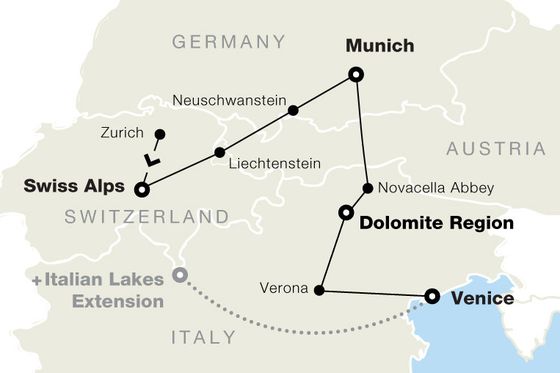
- Rudolf Läderach Jr. What began as a small shop in Glarus supplying chocolate to local chocolatiers now produces its own world-famous treats. Hop on the train and journey just outside of Zurich on our A Week in Switzerland, Germany & Austria tour to visit the museum—and even make your own chocolate—at the House of Läderach.
- Adolf Teuscher Sr. Named for its founder, Teuscher Chocolates is known for its Champagne truffles and old-world charm. While there are storefronts around the globe, you cannot buy their chocolate outside of their own brick-and-mortar stores, so if you see the name in any of our Switzerland tours, be sure to pop in.
- Local chocolatiers. What chocolate is Switzerland known for? Creamy, sweet, and locally made chocolates are found all over Switzerland, not just in the shops of major brands, so stop in to try a sweet treat whenever possible on tour.

What cheese is Switzerland known for?
What is Switzerland known for? Food.
Switzerland’s Alpine geography means high pastures, clean air, and seasonal cattle grazing—all things that create ideal conditions for cheese-making. And because of the vastness of the Alpine region, Swiss cheese is not simply one style, but a diverse family of varieties, each tied to a specific landscape and tradition. So while many of us grew up with one standard “Swiss cheese” available in the grocery store, Switzerland actually produces over 450 varieties, making it one of the best places in Europe to visit for cheese lovers.
Swiss cheeses worth knowing—and trying
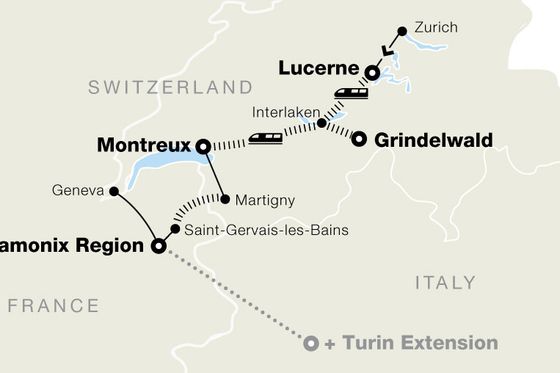
- Gruyere. This cow’s milk cheese is known for its earthiness, depth of flavor, and role in fondue. Join our new Swiss & French Alps by Train: Lucerne to Chamonix tour and add the optional A Day in Gruyeres: Chocolate Train & Cheese Factory excursion to ride the GoldenPass Express train to Gruyeres, where the famous cheese is made.
- Emmental. Also named for the region where it’s made, this might be the cheese that comes to mind when most people think about Swiss cheese. It’s soft-yellow in color, with holes that occur naturally during the fermentation process. Flavor-wise, expect something mild and nutty.
- Appenzeller. Produced in the region it’s named after, this hard cow’s milk cheese is known for its sharp flavor, which comes from a closely guarded secret recipe for the spiced brine blend that matures the cheese.
- Raclette. Raclette has gained recent attention thanks to social media videos about how it’s served. It’s a semi-firm, mild, and milky cheese that’s melted in layers by flame or iron. Traditionally, it’s scraped onto potatoes and served with pickles and small onions, but today, you’ll also be able to enjoy it on top of sandwiches, bread, and more.

What makes the Swiss Alps a must-visit destination?
Why the Alps are what Switzerland is known for
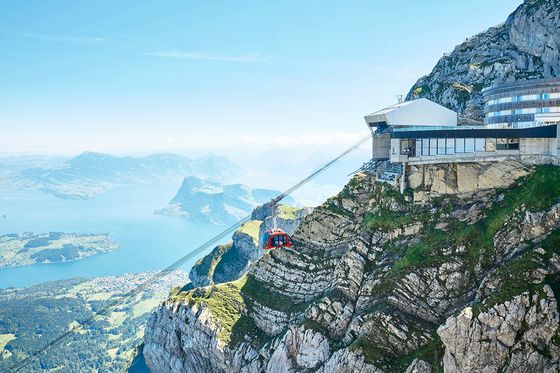
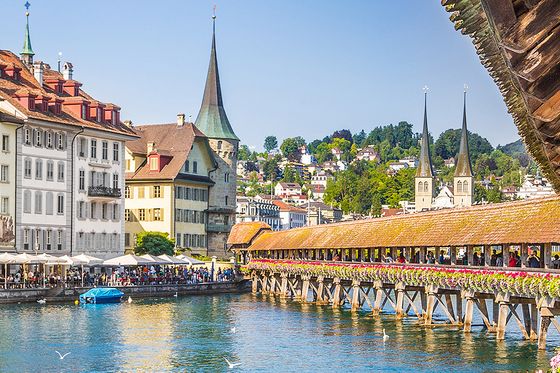
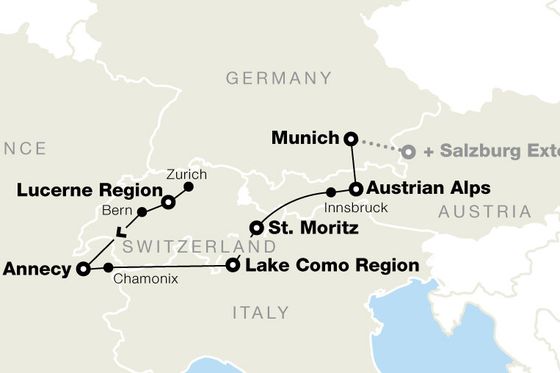
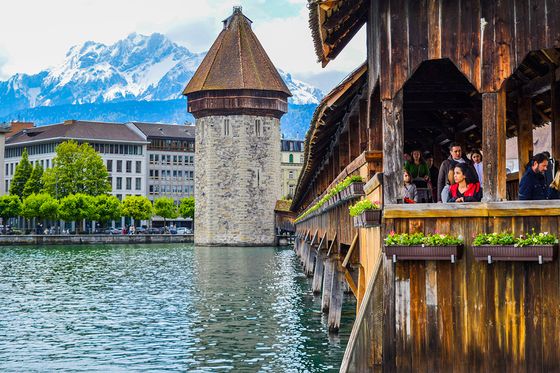
The Swiss Alps are so much more than soaring mountains—they’re a living, working part of Swiss identity and culture. Throughout history, narrow Alpine passes at high altitudes shaped trade routes and helped form the famous Swiss neutrality. Today, villages full of year-round residents still dot the mountains at 6,000 feet above sea level, and farmers still practice transhumance (the act of moving cattle from one pasture to another). The results are healthier cattle and healthier fields. Join our A Week in Switzerland, Germany & Austria tour and you’ll begin your journey in the Swiss Alps at the lakeside city of Lucerne, which offers a taste of Alpine life—complete with clear views of Pilatus, Rigi, and other neighboring mountains.
Iconic Alpine destinations you can experience with a local guide on tour
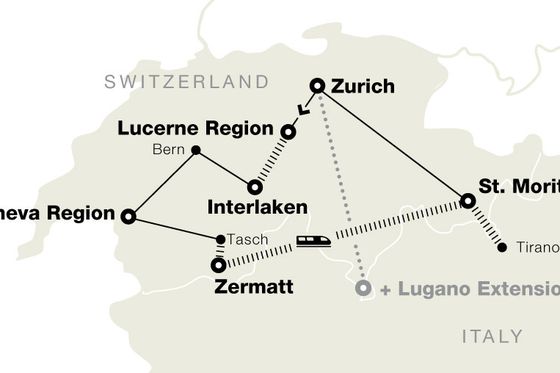
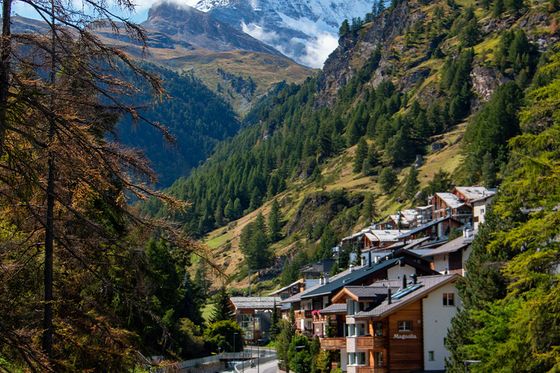
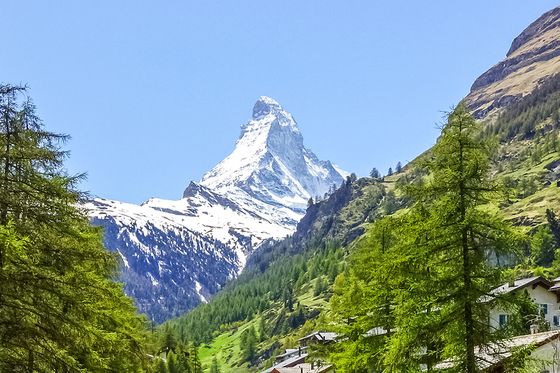
The Matterhorn. This mountain slope forms a nearly perfect triangle against the sky and borders both Italy and Switzerland. It’s famous for its rare formation and is one of the most photographed peaks in the world—but it’s also known for the car-free village of Zermatt at its base. Join our Switzerland by Train: Lucerne to Zurich tour to spend two nights in Zermatt admiring the stunning town and iconic views.
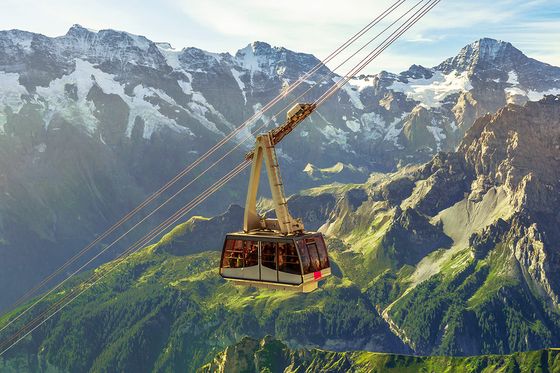
Bernese Oberland. Head here for sweeping meadows, gushing waterfalls, and easy access to multiple Alpine experiences like Lake Thun and a cogwheel train that ascends to Europe’s highest railway station in the Jungfrau region.
Jungfrau region. Found within Bernese Oberland, this area is known for its “top of Europe” railway station (sitting at an altitude of more than 11,000 feet) and the north face of Eiger—a steep and treacherous rock face that’s one of the most difficult mountains to climb. In stark contrast to the harsh terrain, there’s the high-end resort town of Interlaken and the charming village of Grindelwald, too.
Engadin Valley. This quiet, high-altitude landscape has a stunning town (and skiing hot spot) called St. Moritz, and offers a more laid-back and refined Alpine atmosphere at the remarkable altitude of 3,300 to 5,977 feet.

Why are Switzerland’s railways so scenic?
How Switzerland built the world’s most beautiful railroad network
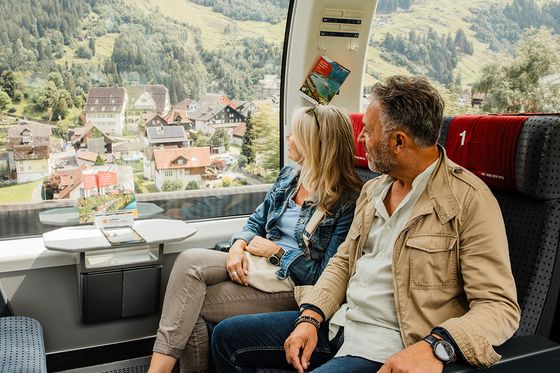
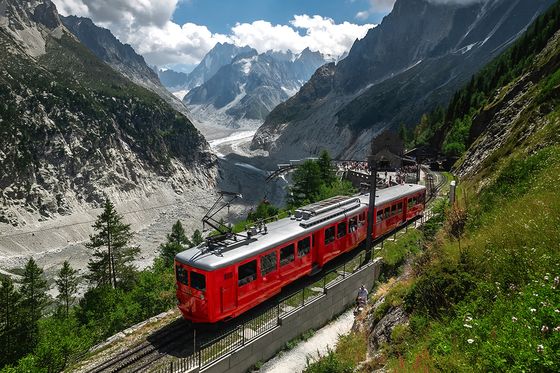
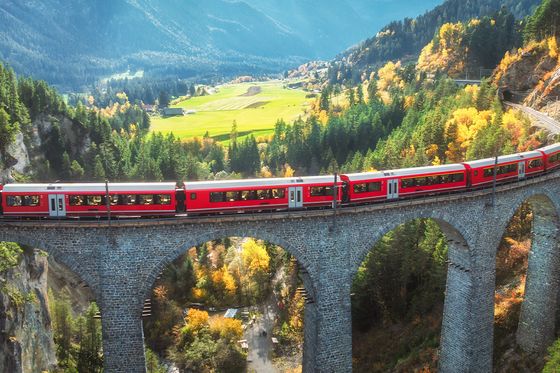
Switzerland’s railways weren’t just built for transportation—they were engineered specifically to navigate and showcase the Alps, too. The feat of engineering that it took to create a railway that is both efficient and scenic is truly astounding. They had to tunnel through solid rock, build viaducts over deep gorges, and craft cogwheel systems that climb near-vertical slopes. Plus, one thing that Switzerland is best known for is precision—and the trains’ punctuality, running down to the minute, is an excellent example of that.
The most celebrated trains and rail journeys and how to enjoy them on tour
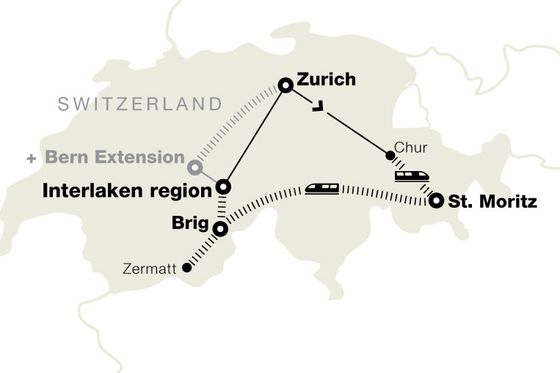
- Glacier Express. This train takes you on an eight-hour journey from Zermatt to St. Moritz. The 291 bridges and 91 tunnels make the trip nothing short of a stunning way to experience the awe of the Swiss rail system. Plus, on our new A Week in Switzerland by Train: St. Moritz, Zermatt & Interlaken tour, you’ll have an expert local guide narrating the story of the landscapes surrounding you.
- Bernina Express. This train whisks passengers through the UNESCO-listed route from Chur to Tirano and is the highest adhesion railway crossing in the Alps. On our Switzerland by Train: Lucerne to Zurich tour, you’ll cruise through the idyllic Val Poschiavo, winding past the towns and trees that dot the valley.
- GoldenPass Line. Join our Swiss & French Alps by Train: Lucerne to Chamonix tour to take the journey from Lucerne to Montreux, passing through three distinct landscapes and cultural zones in a single ride on this iconic train.
- Cogwheel trains. This style of train was developed to climb extremely steep terrain using toothed metal bars between the rails and a gear wheel (aka a cog). They’re ideal for railroads in the Alps, making any train you take in the Swiss Alps, from Jungfraujoch to Pilatus, astounding—especially on one of our guided tours, where the planning is taken care of for you.

The lakes of Switzerland: The hidden stars of the Swiss landscape
Why Switzerland’s lakes deserve more than a passing glance
Often overshadowed by the Alps, Switzerland’s lakes are equally as spectacular. There are more than 1,500 of them, each with its own distinct character shaped by the surrounding mountains, towns, and cultural regions. Lake Lucerne is one of our favorite places to visit in Switzerland: It’s surrounded by peaks, steeped in Swiss history, and is accessible by both train and boat.
The lakes worth visiting (and which of our tours will take you there!)
- Lake Geneva. The largest Alpine lake in Europe has a distinct French-Swiss character, with the UNESCO-listed Lavaux Vineyard Terraces laced along the north shore. When you go with us on our Switzerland by Train: Lucerne to Zurich tour, we’ll take you to spend a day in the Lake Geneva region on a guided tour that connects the lake to the broader cultural experience in Romandy (the French-speaking region of Switzerland).
- Lake Lucerne. Wondering, “What is Switzerland best known for?” Well, with a dramatic mountain setting and its central role in Swiss history, Lake Lucerne is one place that the country is known for. Join us on our A Week in Switzerland, Germany & Austria tour and spend a day in the iconic region.
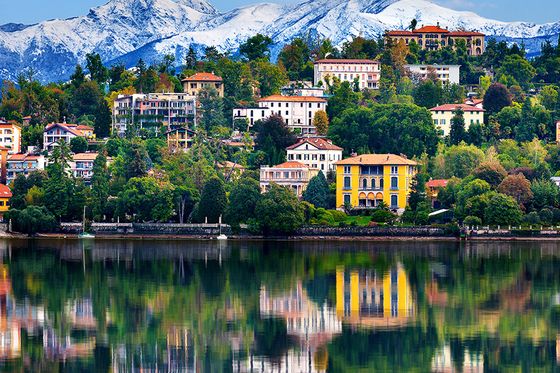
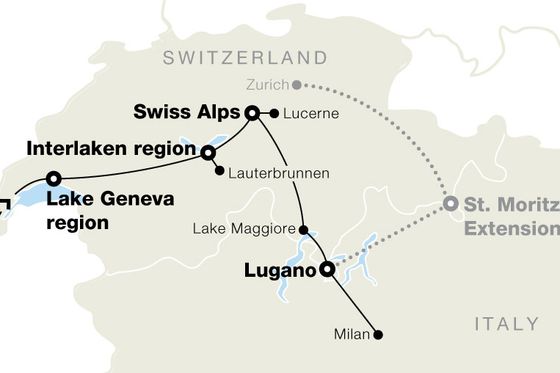
- Lake Maggiore. Located in the Swiss canton of Ticino, this massive lake contains the Borromean Islands, which you can cruise to via public ferry or a rented boat. This corner of Switzerland has a Mediterranean atmosphere that surprises most visitors. Visit on our A Week in Switzerland: Lake Geneva, Swiss Alps & Ticino tour and get so much more than a taste of this gorgeous lake region.
Interested in Switzerland’s lake culture? Discover more about the charming lakes and nearby towns ➝

What languages are spoken in Switzerland?
How four languages shaped a uniquely Swiss identity
Switzerland’s linguistic geography includes German, French, Italian, and Romansh—and each language zone has developed its own cultural personality, cuisine, architecture, and pace of life. Crossing from German Switzerland to Romandy or Italian-speaking Ticino can feel like crossing an international border. The food changes, the architecture shifts, and the overall energy is different. The linguistic diversity in Switzerland is one of its defining features. It helped make the country a place that works because its regions have always had to negotiate and coexist.
What each of Switzerland’s diverse regions offers
- German Switzerland. Covering more than half of the country, German Switzerland includes major hubs like Zurich and Bern. Visit Zurich for its world-class museums and dining scene and Bern for medieval arcades. The region also has a strong connection to watchmaking and overall precision craft—not to mention its hearty Alpine cuisine.
- French Switzerland aka Romandy. Cosmopolitan Geneva’s international character makes it a must-visit in Romandy. Plus, Lausanne’s lakeside elegance and the wine culture of the Lavaux Vineyard Terraces produce a distinctly different Switzerland than most visitors expect.
- Italian Switzerland aka Ticino. Here, palm-lined promenades blend with Swiss efficiency and classic Italian warmth, making cities like Lugano feel like a country within a country.
- Romansh-speaking Graubunden. This lesser-known region is one of Switzerland’s most scenic and culturally distinctive. Think: ancient villages, the Engadin Valley, and a language spoken by fewer than 60,000 people. It’s the kind of discovery that only a guided itinerary makes accessible.
Ready to visit Switzerland on tour? Check out our ultimate Switzerland Travel Guide ➝

Why are Swiss watches so popular?
The history behind Switzerland’s watchmaking legacy
Looking for interesting facts about Switzerland? Swiss watchmaking can be traced back to the Huguenots—French Protestant refugees—of the 16th century. When the Huguenots escaped to the Jura Mountains and Geneva, they brought their watchmaking skills with them. Many settled in the mountains to farm, while others migrated to Geneva (bringing their watchmaking skills to local jewelers). In the winter, the Huguenot farmers spent months crafting watches to make extra money and pass the time. This dual lifestyle made the rural community of the Jura Mountains the true birthplace of Swiss watchmaking. Today, the same practice of precision, patience, and skill goes into creating Swiss watches—hammering home the ethos that good things take time, and they’re worth it.
From museums to local artisans: Where to experience the Swiss craft of watchmaking up close
- La Chaux-de-Fonds. The city built around watchmaking is one of Switzerland’s UNESCO World Heritage Sites. When there, be sure to visit the International Watch Museum, which has one of the world’s finest horology (the science of measuring time) collections.
- Patek Philippe Museum. Located in Geneva, this museum contains an astounding collection that spans 500 years of watchmaking history. It’s an accessible, beautifully curated, and genuinely fascinating place to visit in Switzerland.
- Omega Museum. You’ll find this museum in Biel/Bienne on one of our Switzerland tours. It’s known for its interactive exhibits, its connection to space exploration and the Olympics, and its appeal to travelers who want a more modern, design-forward experience when it comes to watches.
- Local ateliers. We always encourage supporting small and local businesses—and the same goes for Swiss watchmakers. Many of our guided Swiss itineraries include visits to working watchmakers and craft demonstrations. It’s the kind of behind-the-scenes access that turns a sightseeing stop into a lasting memory.

What makes Switzerland such a unique country?
From its cultural diversity, neutrality, and devotion to precision to its contributions to chocolate, watchmaking, and engineering, Switzerland has plenty of things that make it a unique country. That diversity is exactly why Switzerland has something for every type of traveler—whether you’re a foodie, an outdoor adventurer, or a train lover, Switzerland has something for you. And when you go guided with us, we take care of all the planning and booking ahead of time, so you can sit back and see all that Switzerland is known for without the hassle.
FAQs
Thea fell in love with travel as soon as she arrived in Venice, Italy on a family trip as a child. Since then, she has made having adventures around the world a priority, with trips like retracing her grandfather’s steps through WWII, climbing glaciers in Alaska, and horseback riding in Iceland. Thea is a nomad at heart, always planning the next trip. In her off-time she is working on a novel inspired by the woman she was named after, mixing cocktails, and watching any procedural crime show she can find.



















)